Probiotic Foods: A Simple Way To Support Your Gut
By:Author:Asian Diet Editorial
Updated on:October 18, 2026
- A Day Built Around Cultured Foods
- How Much of These Foods Actually Counts
- Why Small Swaps Beat a Strict Overhaul
- Making Room for These Foods on a Busy Week
- Adjusting This Approach to Different Routines
- When This Habit Starts to Feel Normal
- Letting Asian Diet Build This Into Your Meals
- Keeping Fermented Foods on Your Plate Long-Term
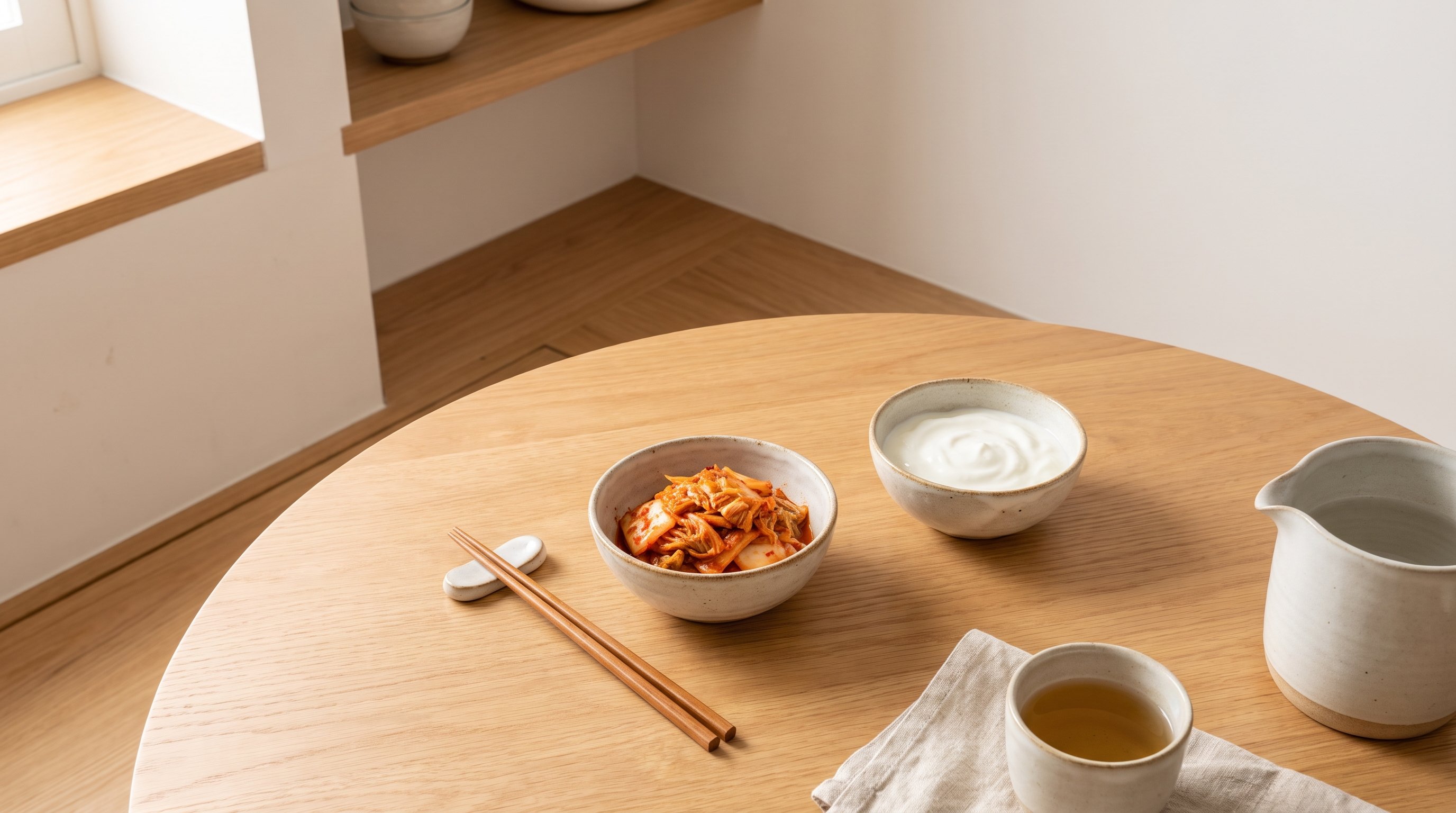
The simplest way to add live cultures to your plate is through things like yoghurt, kimchi, miso and sauerkraut - foods that have already been fermented by bacteria before they reach you.
Fermentation works because bacteria break down sugars in the food, and some of those bacteria survive into your gut, adding to the mix already living there.
This guide covers what a normal day of eating this way looks like, how much actually matters, and how to keep it going without turning meals into a project.
A Day Built Around Cultured Foods
You don't need every meal to carry a fermented food. One or two servings spread across the day is a realistic place to start.
A Sample Day
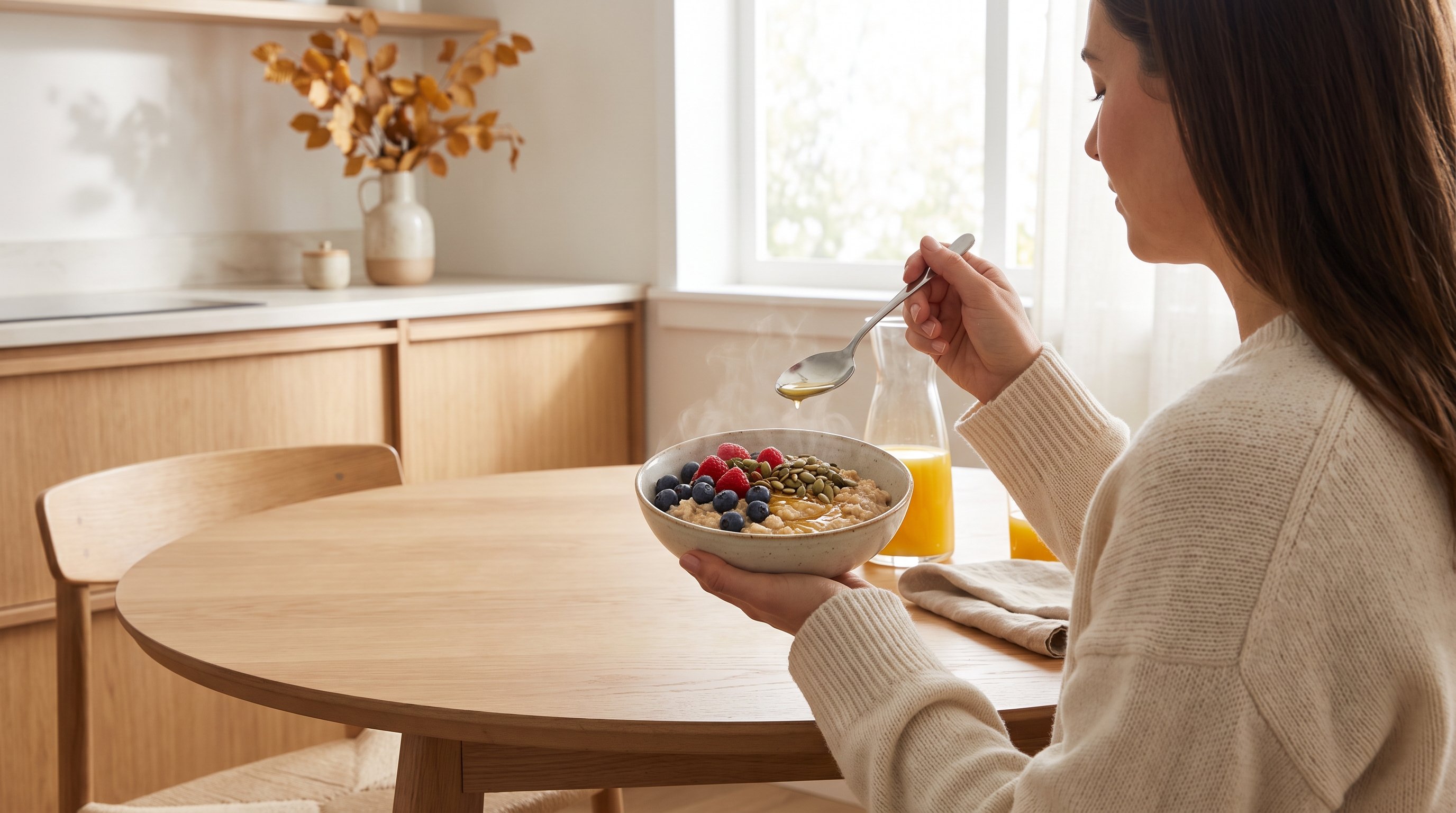
- Breakfast - plain yoghurt with fruit and a spoon of oats
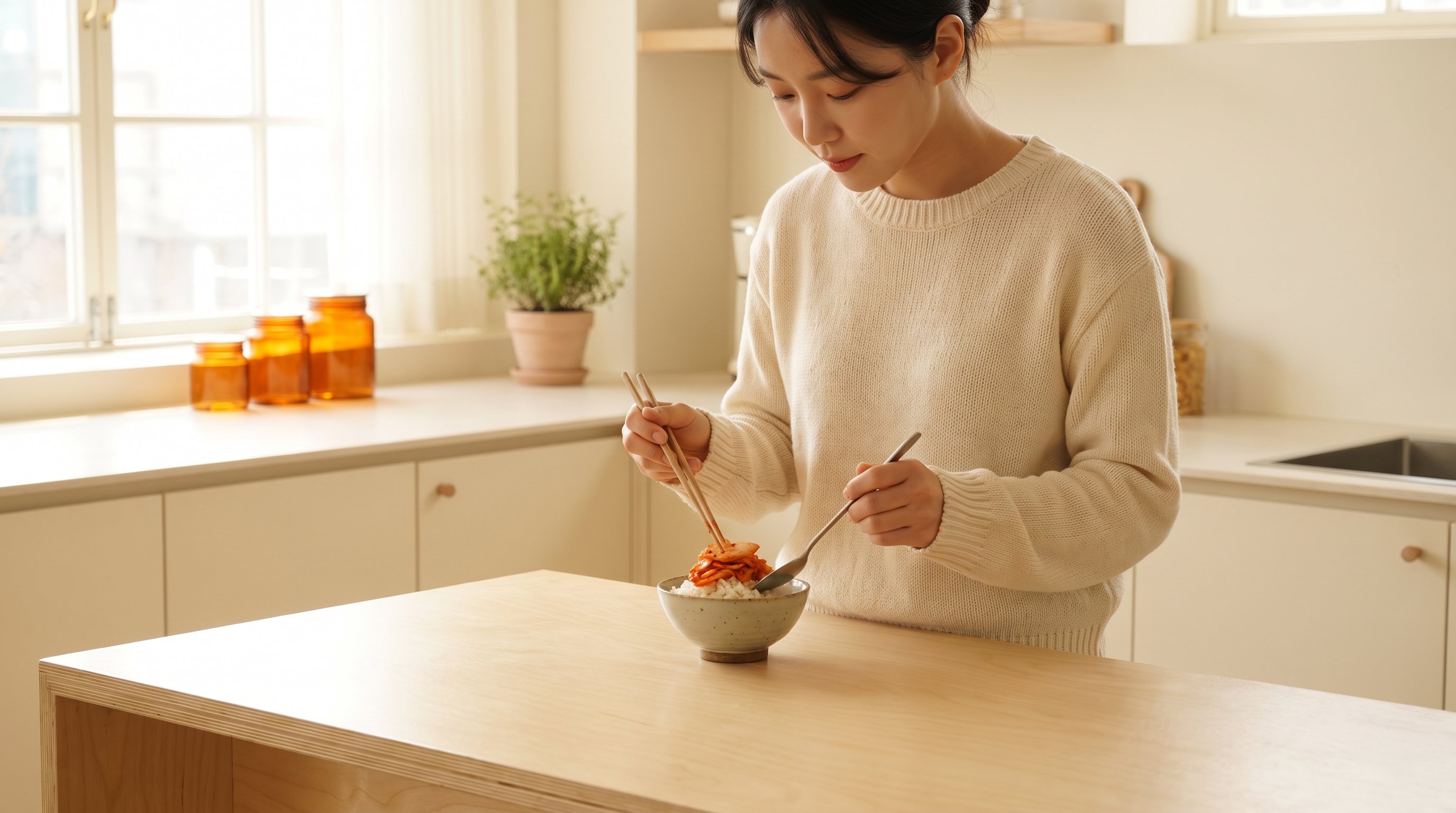
- Lunch - rice bowl with a side of kimchi
- Afternoon - small glass of kefir or a kombucha
- Dinner - miso soup alongside a stir-fry
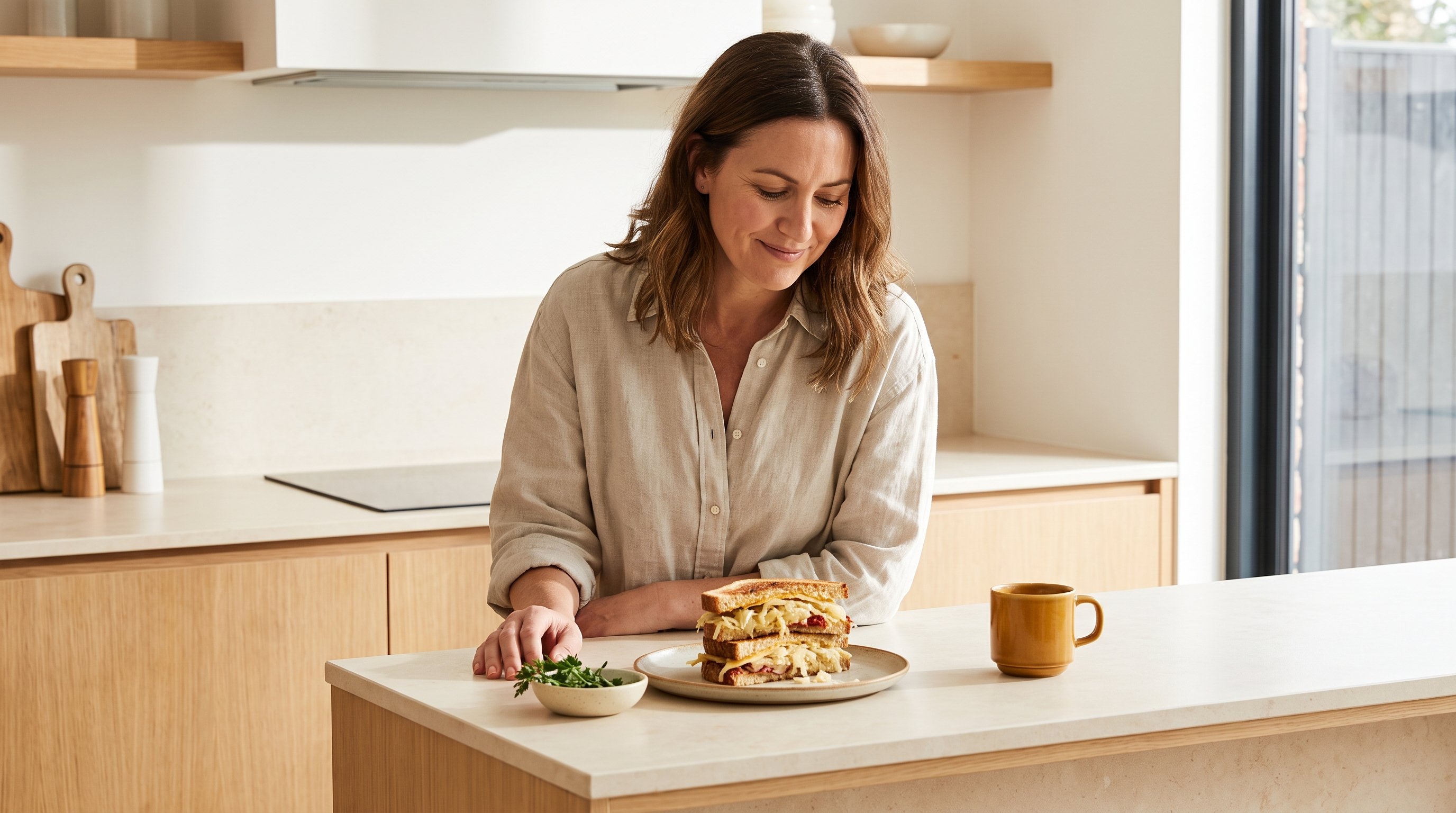
- Snack - a few slices of sauerkraut on the side of a sandwich
None of this needs to be exact. Swapping any one item for another fermented food you already like keeps the day just as useful.
How Much of These Foods Actually Counts
Small and Regular Beats One Big Serving
A spoonful of kimchi most days adds up to more consistent exposure than a large bowl eaten once a week.
| Food | Serving | Frequency |
|---|---|---|
| Yoghurt | 150-200g | Daily |
| Kimchi | 2-3 tbsp | 4-5 times a week |
| Miso | 1 tsp in soup | 2-3 times a week |
| Kefir | 150-250mL | 3-4 times a week |
| Sauerkraut | 2-3 tbsp | 2-3 times a week |
Think of these as rough starting points rather than targets to hit exactly - the goal is regular small amounts, not a strict quota.
Why Small Swaps Beat a Strict Overhaul
Swapping your usual side dish for kimchi or your regular soup for a miso-based one is an easy change to repeat every week.
Rebuilding your whole diet around fermented foods, on the other hand, is harder to sustain - it asks you to relearn shopping, cooking and meal planning all at once.
The swap wins long-term for the same reason most dietary habits stick or fail - the easier version gets repeated, and repetition is what makes any food choice matter.
Making Room for These Foods on a Busy Week
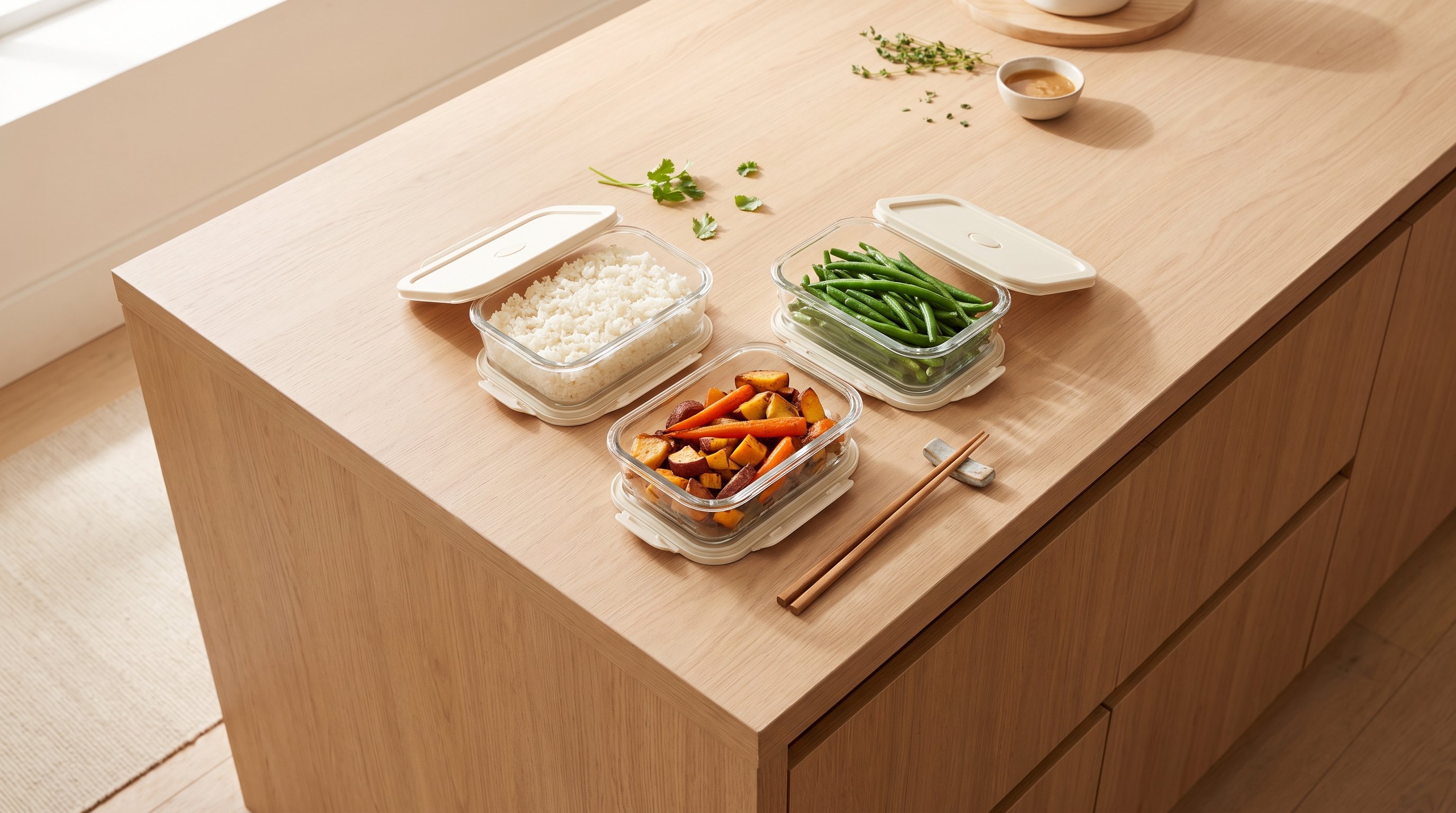
Most weeks don't leave much room for extra cooking projects, so the easiest route is buying ready-made versions - a jar of kimchi, a tub of plain yoghurt, a bottle of kefir.
Keeping a couple of these in the fridge means there's always something to add to a meal without extra prep.
A meal plan built around food you already like makes this easier still, since it can slot a fermented side into meals you'd be cooking anyway - which is the kind of thing Asian Diet is built to help with through its library of recipes drawn from Asian cuisines, many of which use fermented ingredients as standard.
Adjusting This Approach to Different Routines
If You're Just Starting Out
Pick one food you already enjoy - plain yoghurt is the gentlest entry point - and add it to a meal you already eat most days.
If Your Week Is Packed
Lean on jarred and bottled options rather than fermenting anything yourself, and keep servings small so they fit without extra thought.
If You're Older
Softer options like yoghurt and miso soup are easy to work into meals that are already familiar, without needing to change much else.
If You're Cooking for a Family
Serve fermented foods as sides that people can take or leave, rather than mixing them into dishes everyone has to eat the same way.
When This Habit Starts to Feel Normal
There's no fixed point where this clicks - for some people, reaching for kimchi or yoghurt becomes automatic within a few weeks, for others it takes longer.
What tends to matter more than speed is whether the food stays in your regular shopping list, since that's what keeps it showing up on your plate.
If a food disappears from the trolley after the first couple of shops, it's a sign the habit needs an easier entry point, not more willpower.
Letting Asian Diet Build This Into Your Meals
Working fermented foods into meals is easier when the meals themselves are already planned around food you'd choose anyway.
Asian Diet offers over 1,000 recipes inspired by Asian cuisines, many of which lean on fermented staples like miso, kimchi and soy-based condiments as everyday ingredients rather than extras.
Alongside the recipes, the app's progress tracking keeps tabs on water, weight and steps in one place, so small food changes sit inside a wider routine instead of being one more thing to remember on their own.
Power Your Body Daily
Eat Clean Every Day
Keeping Fermented Foods on Your Plate Long-Term
The practical move is picking one fermented food, buying it on your next shop, and putting it next to a meal you already cook this week.
Asian Diet can help by building those foods into meal plans that already fit your taste, so the habit has somewhere to live beyond the first jar.
FAQ
They add live bacteria to your gut that weren't there before, and some of those can take up residence alongside your existing gut flora. The effect builds through regular small amounts rather than one large serving.
A supplement can deliver specific bacterial strains, but fermented foods bring fibre, flavour and a meal you'd eat anyway. Neither replaces the other - they just do slightly different jobs.
Start with something mild and familiar, like yoghurt or a splash of miso in soup, rather than jumping straight to stronger flavours like kimchi. Asian Diet's recipe library includes milder dishes that use fermented ingredients without needing an acquired taste.
It usually fades when the food isn't on the regular shopping list, so there's nothing to reach for once the first jar runs out. Keeping it on a repeat basket or meal plan is what keeps it showing up.
Share this post