Asian Diet Foods: A Practical Guide To Eating This Way
By:Author:Asian Diet Editorial
Updated on:October 18, 2026
- A Day of Meals Built Around Asian-Inspired Eating
- How Often to Lean on These Foods Each Week
- Why Food Swaps Beat Cutting Out Whole Groups
- Making Asian Diet Foods Work on a Normal Week
- Who This Way of Eating Suits and How to Adjust It
- When Eating This Way Starts to Feel Easy
- Turning Asian Diet Foods Into a Daily Routine
- Starting With One Plate Tonight
Asian diet foods generally means meals built around vegetables, rice or noodles, lean protein, broths and fermented sides, with less reliance on heavily processed packaged food.
The mechanism is simple: these meals tend to be lower in calorie density for the volume of food you get, which makes it easier to eat enough to feel satisfied without overshooting your needs.
This guide covers what a day of eating this way looks like, how often to build meals around these foods, why this approach tends to outlast stricter diets, and how to adapt it to a real schedule.
A Day of Meals Built Around Asian-Inspired Eating
There's no single correct way to structure a day, but a simple pattern makes it easy to copy without overthinking every meal.
A Sample Day
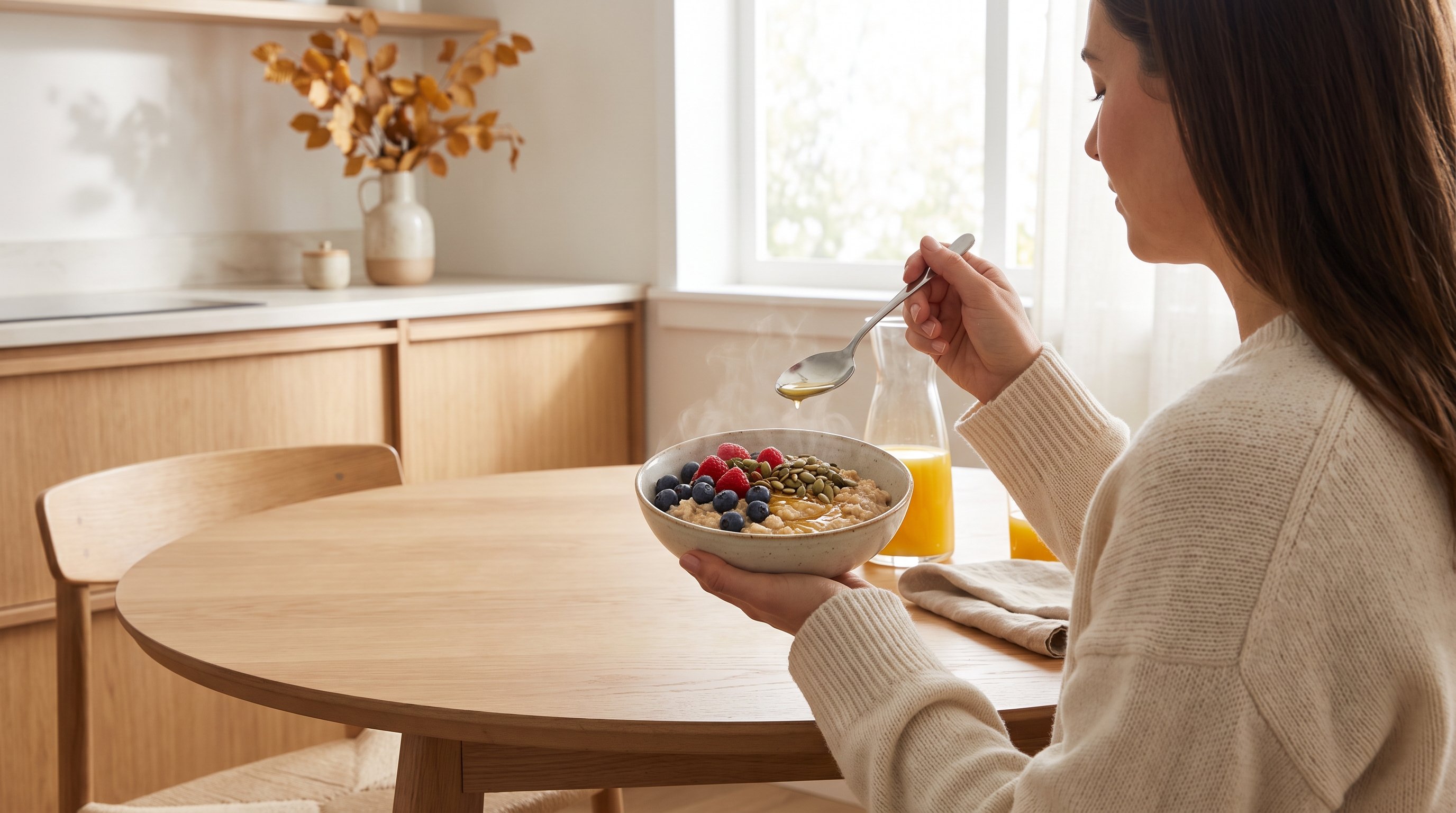
- Breakfast - miso soup with tofu and greens, or rice porridge with egg
- Lunch - stir-fried vegetables with chicken or tofu over rice, plus a side of kimchi or pickles
- Snack - edamame or a piece of fruit
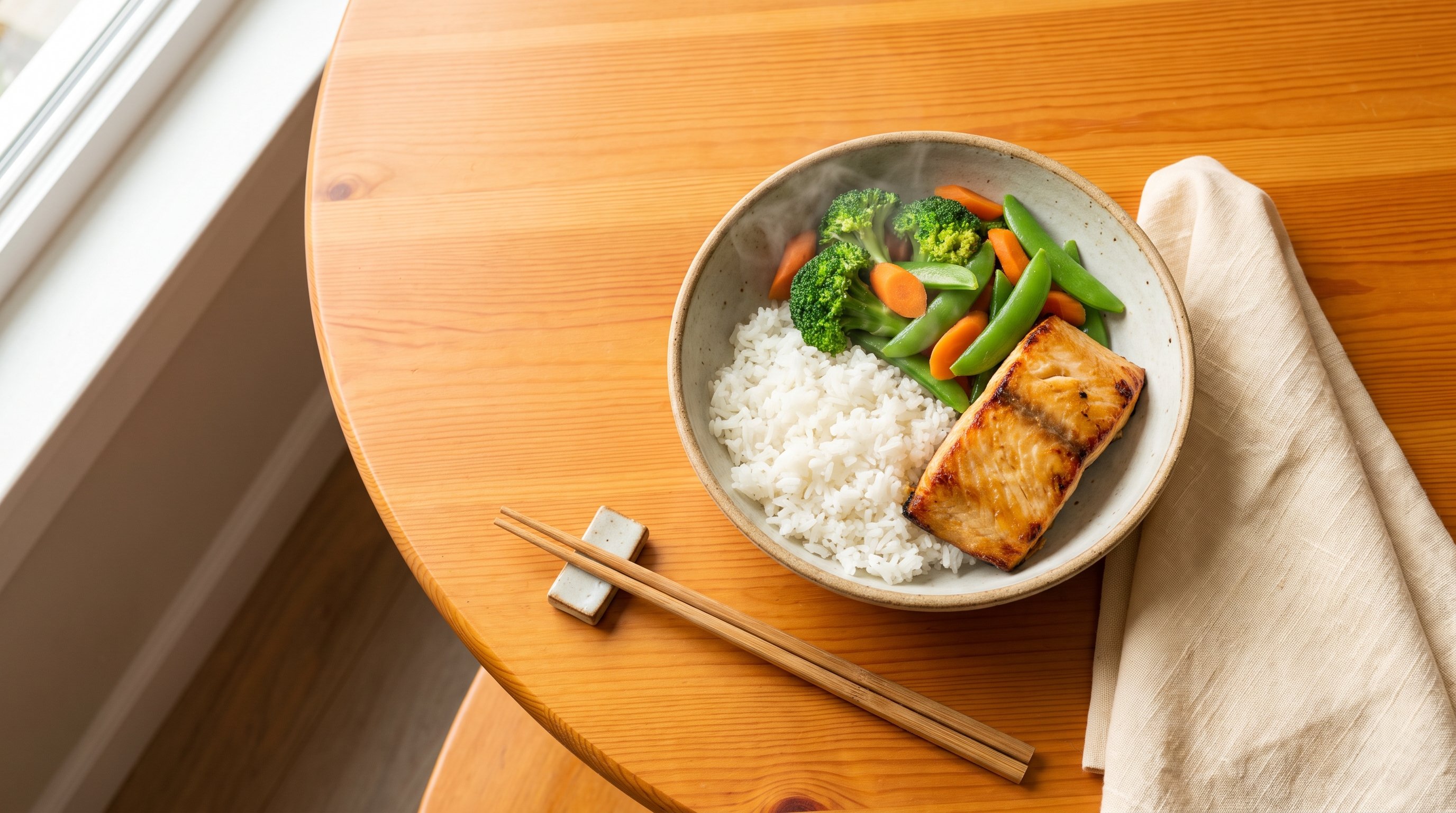
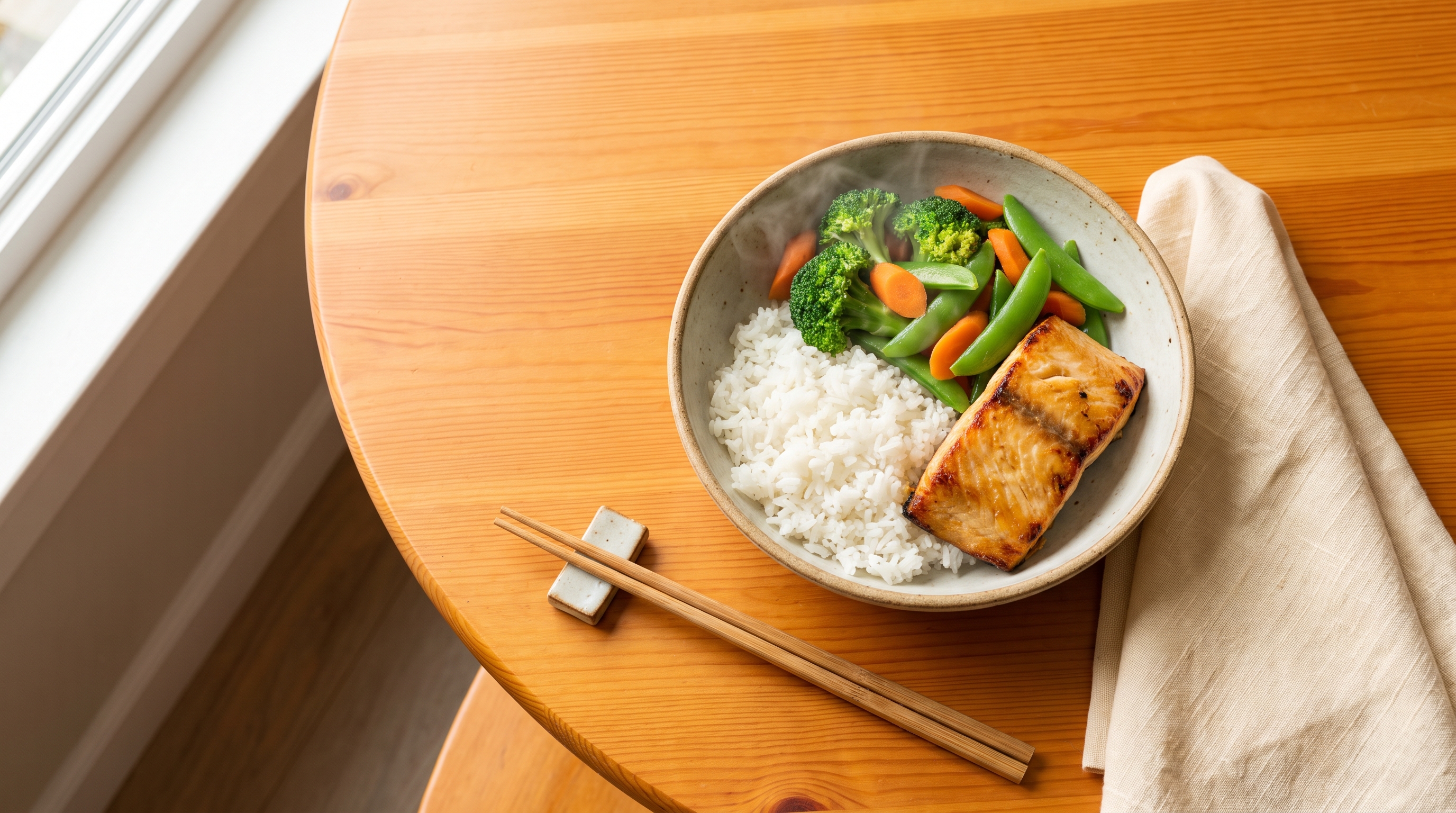
- Dinner - grilled fish, steamed greens, and a small bowl of noodles or rice
- Drink - green tea or water through the day instead of sugary drinks
None of this needs to be exact. Swap the protein, swap the vegetable, keep the shape of the meal the same.
How Often to Lean on These Foods Each Week
Frequency That Actually Works
You don't need every meal to fit this pattern for it to matter. Most of the benefit comes from making it the default, not the exception.
| Food Type | Suggested Frequency |
|---|---|
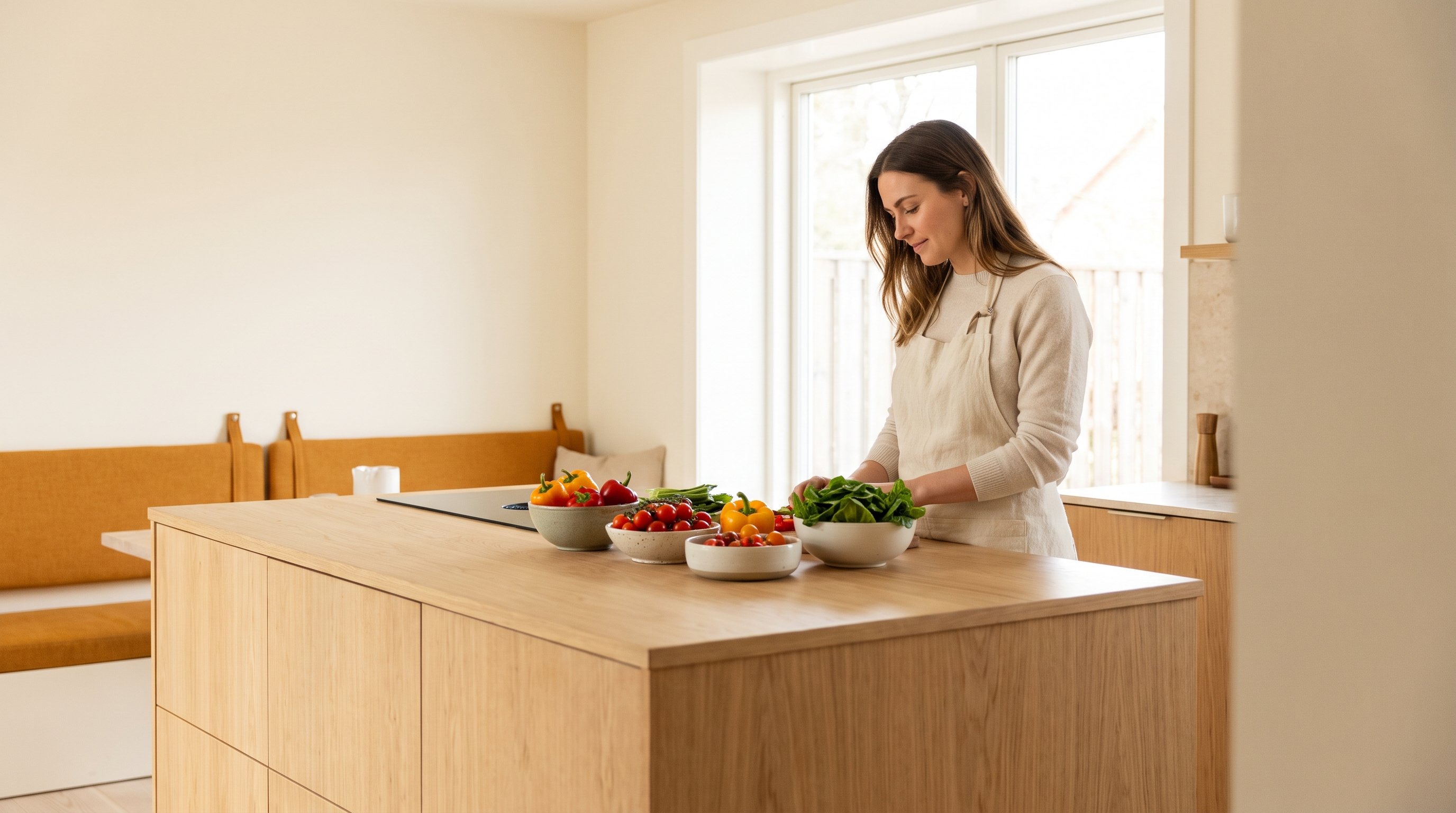
| Vegetable-heavy meals | Most lunches and dinners |
| Fermented sides | A few times a week |
| Rice or noodles | Daily, in modest portions |
| Fish or lean protein | Several times a week |
| Sugary drinks or fried snacks | Occasional, not daily |
Why Food Swaps Beat Cutting Out Whole Groups
Compare two approaches: cutting out carbs entirely versus swapping white rice for a smaller portion alongside more vegetables.
The first one works for a while and then usually collapses, because cutting out a whole food group fights against normal eating for the rest of your life.
The second one is boring in the best way. You still eat rice, you still eat noodles, you just build the rest of the plate around them instead of treating them as the main event.
Restriction fails because it asks for constant willpower. Substitution works because the easier version of the meal still feels like a normal meal.
Making Asian Diet Foods Work on a Normal Week
A real week has late nights, takeaway temptations and days where cooking from scratch just isn't happening.
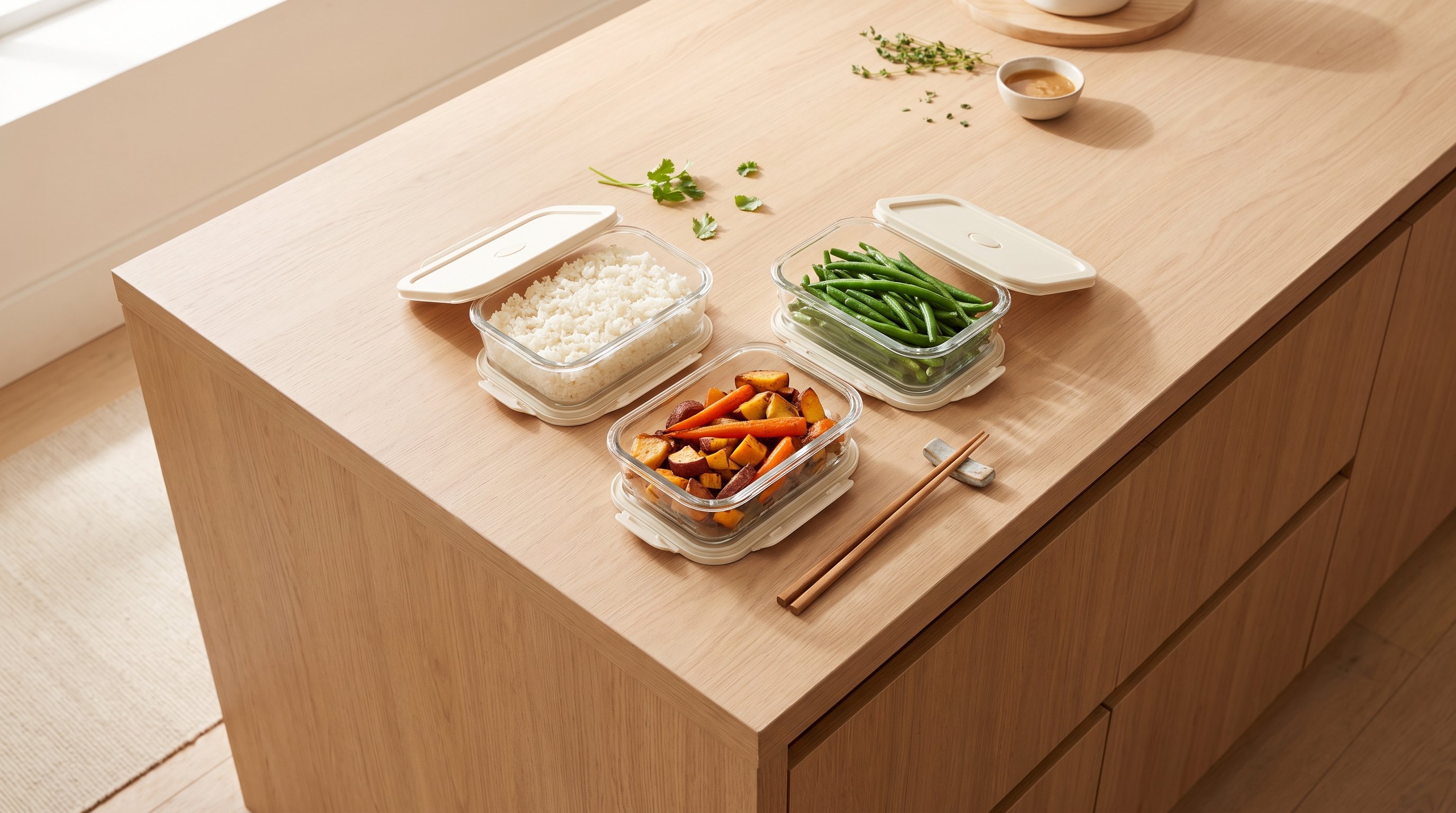
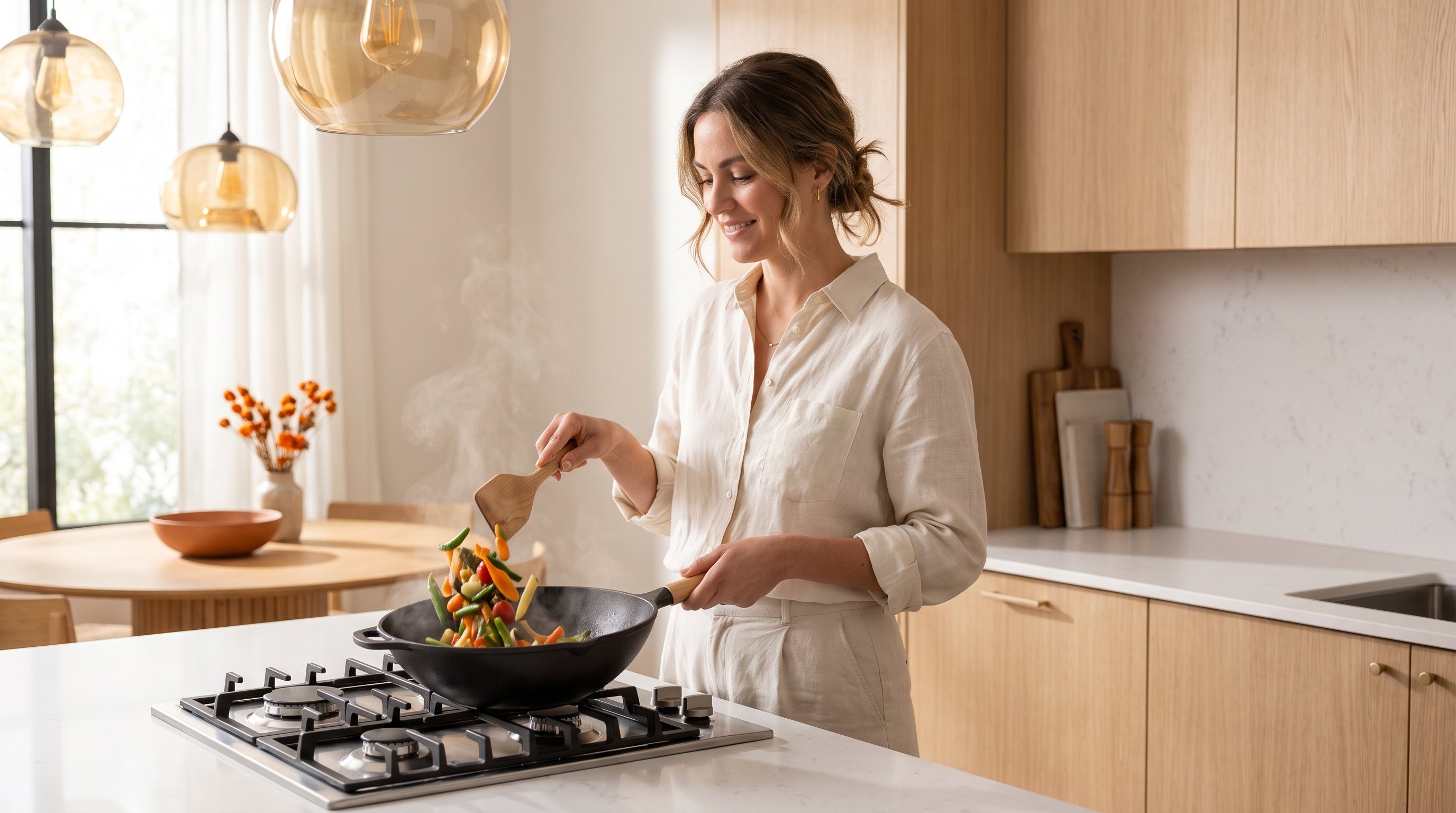
The pattern still holds if you keep a few staples on hand: frozen vegetables, rice, a jar of kimchi, some tofu or canned fish.
This is where a meal plan built around food you already like helps, because this eating pattern turns it into a tailored plan instead of something you have to redesign every Sunday.
Pairing that structure with smart calorie guidance means you're not guessing whether a bigger bowl of noodles fits your day.
Who This Way of Eating Suits and How to Adjust It
If You're Just Starting Out
Start with one meal a day, probably dinner, and build it around vegetables and a modest portion of rice or noodles. Don't try to overhaul breakfast, lunch and dinner at once.
If You're Busy
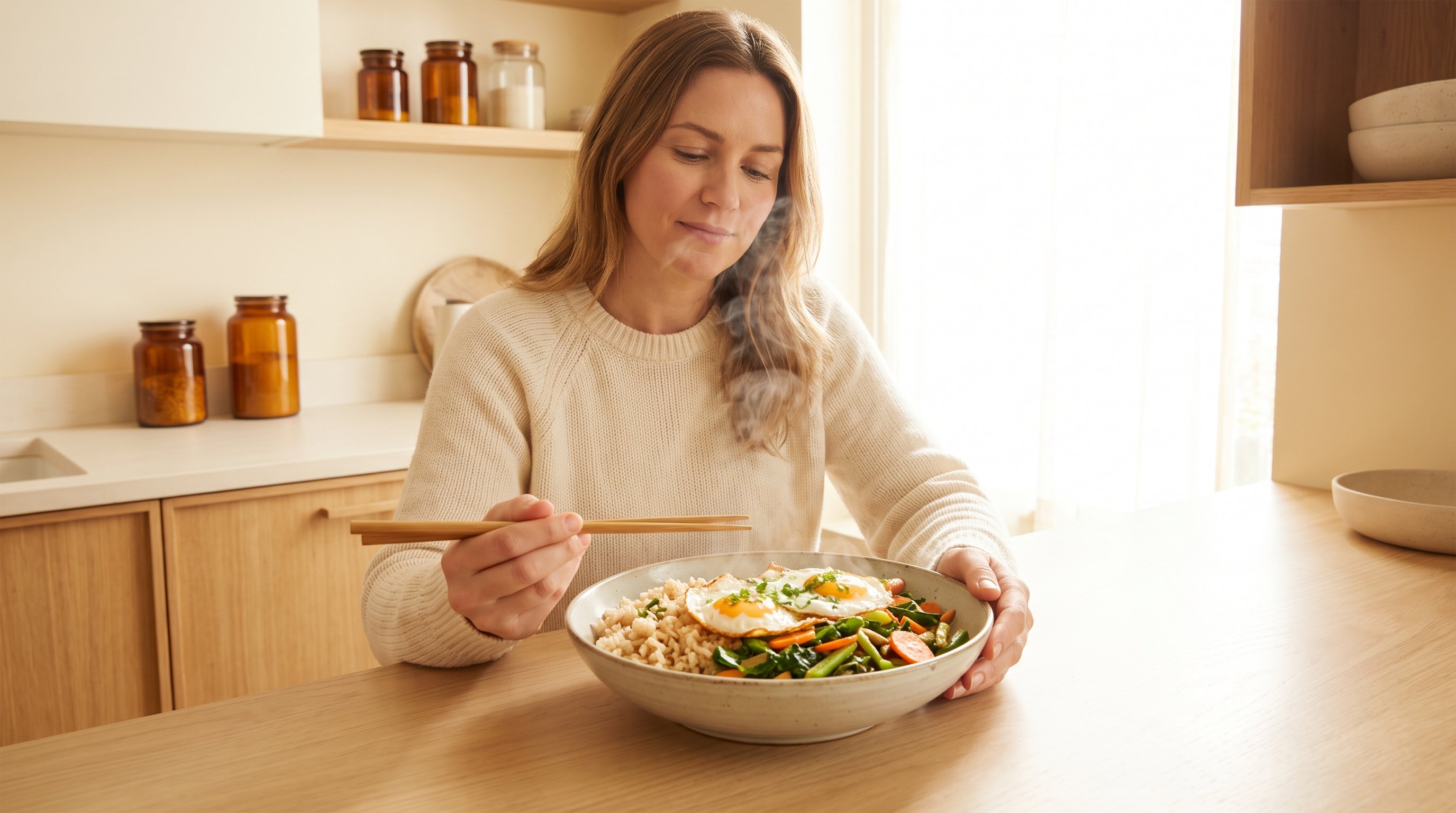
Lean on quick-cooking staples like frozen stir-fry vegetables, pre-cooked rice pouches and eggs, which all come together in under fifteen minutes. A jar of kimchi or pickled vegetables in the fridge means you always have a fermented side ready without extra effort.
If You're Older
Softer-cooked vegetables, broths and steamed fish are gentle on digestion while still fitting the pattern. Smaller, more frequent meals built this way can feel easier to manage than three large plates.
If You're Cooking for a Family
Serve the base components separately, rice, protein, vegetables, sauce, so everyone can build their own bowl. It cuts down on cooking multiple separate meals while still letting picky eaters adjust portions.
When Eating This Way Starts to Feel Easy
Early on, the swaps feel deliberate. You're thinking about portions, checking what's in the fridge, planning the fermented side.
Most people stop thinking about it as a separate diet once it becomes the default way they shop and cook, which takes longer for some than others.
The drop-off point tends to be the first few weeks, when the novelty of new recipes wears off and old habits feel easier. Staying with a small rotation of meals you actually enjoy matters more than variety at this stage.
Turning Asian Diet Foods Into a Daily Routine
Knowing the pattern is one thing. Cooking it on a Tuesday night when you're tired is another.
Asian Diet gives you over 1000 recipes built on this way of eating, so you're working from a tailored plan instead of guessing what counts as a balanced bowl.
Alongside the recipes, progress tracking keeps steps, water intake and weight in one place, so you can see whether the pattern is actually holding over weeks, not just days.
Power Your Body Daily
Eat Clean Every Day
Starting With One Plate Tonight
Pick one meal today and build it the way this guide describes: vegetables taking up most of the plate, a modest portion of rice or noodles, some protein, maybe a fermented side.
Do that a few times a week before worrying about getting every meal right, and let the meal plan handle the recipe planning once the pattern feels familiar.
FAQ
It can help because Asian Diet meals tend to be lower in calorie density for the volume you eat, which makes it easier to hold a deficit without feeling deprived. No single food does this on its own, it's the overall pattern that matters.
A modest portion of rice alongside plenty of vegetables and protein fits most eating patterns fine. The issue is usually portion size and what surrounds it on the plate, not the rice itself.
Most of the pattern works with supermarket basics: frozen vegetables, rice, eggs, canned fish and a jar of pickled vegetables. These recipes are built to work with ingredients you can find without a special trip.
Trying to change every meal at once is the most common reason people stop. Changing one meal a day and letting the rest follow tends to hold up much better over time.
Share this post