Cheap Meal Prep Ideas That Actually Fit A Real Budget
By:Author:Asian Diet Editorial
Updated on:October 18, 2026
- Getting a Cheap Prep Routine Off the Ground
- How Much to Cook to Keep Costs Down
- Making Cheap Meal Prep Work Around a Tight Week
- A Four-Week Plan for Budget Meal Prep
- When Cheap Meal Prep Starts to Feel Normal
- Mistakes That Quietly Inflate a Prep Budget
- Building Cheap Meal Prep Ideas With Asian Diet
- Keeping Budget-Friendly Prep Going Long-Term
Cheap meal prep ideas work best when they're built around a handful of low-cost staples - rice, beans, eggs, frozen vegetables, cheaper cuts of protein - repeated across the week in different forms.
The maths is simple: fewer unique ingredients means less waste, and buying in bulk drops the per-portion cost without any special equipment or skill.
This guide covers the steps to get started, how much to prep and how often, a four-week plan, where the budget usually slips, and the mistakes that quietly push costs back up.
Getting a Cheap Prep Routine Off the Ground
A cheap prep routine isn't about finding rare bargains. It's about a short, repeatable process that keeps cost and effort low week after week.
Steps to Start a Budget-Friendly Prep
- Pick three base ingredients - a grain, a legume, and a vegetable that all store well and cost little per portion.
- Check what's already in the cupboard - using up what's there before buying anything new cuts the first week's spend.
- Build one shopping list for the whole week - a single trip avoids the extra items that creep in with multiple visits.
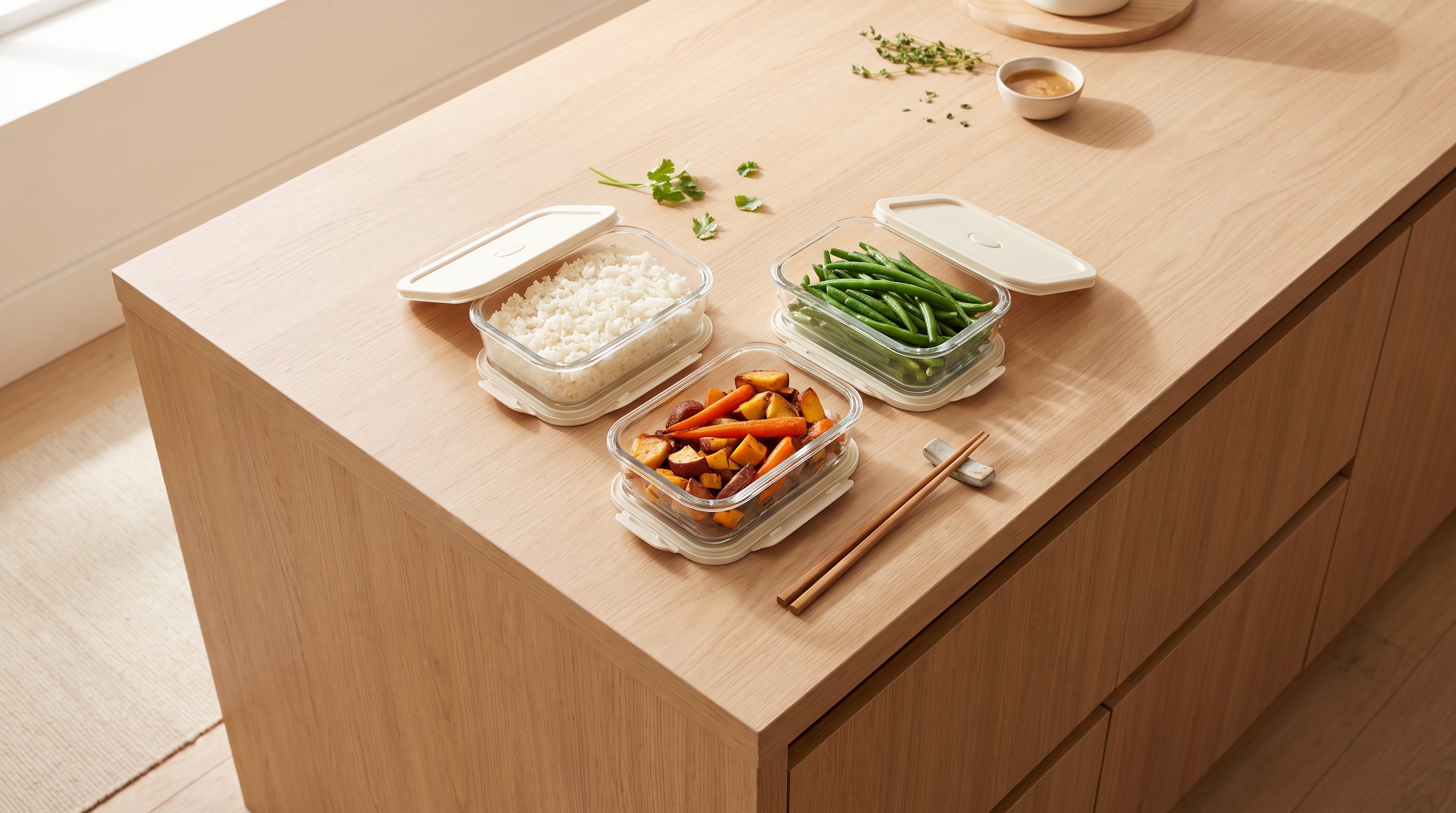
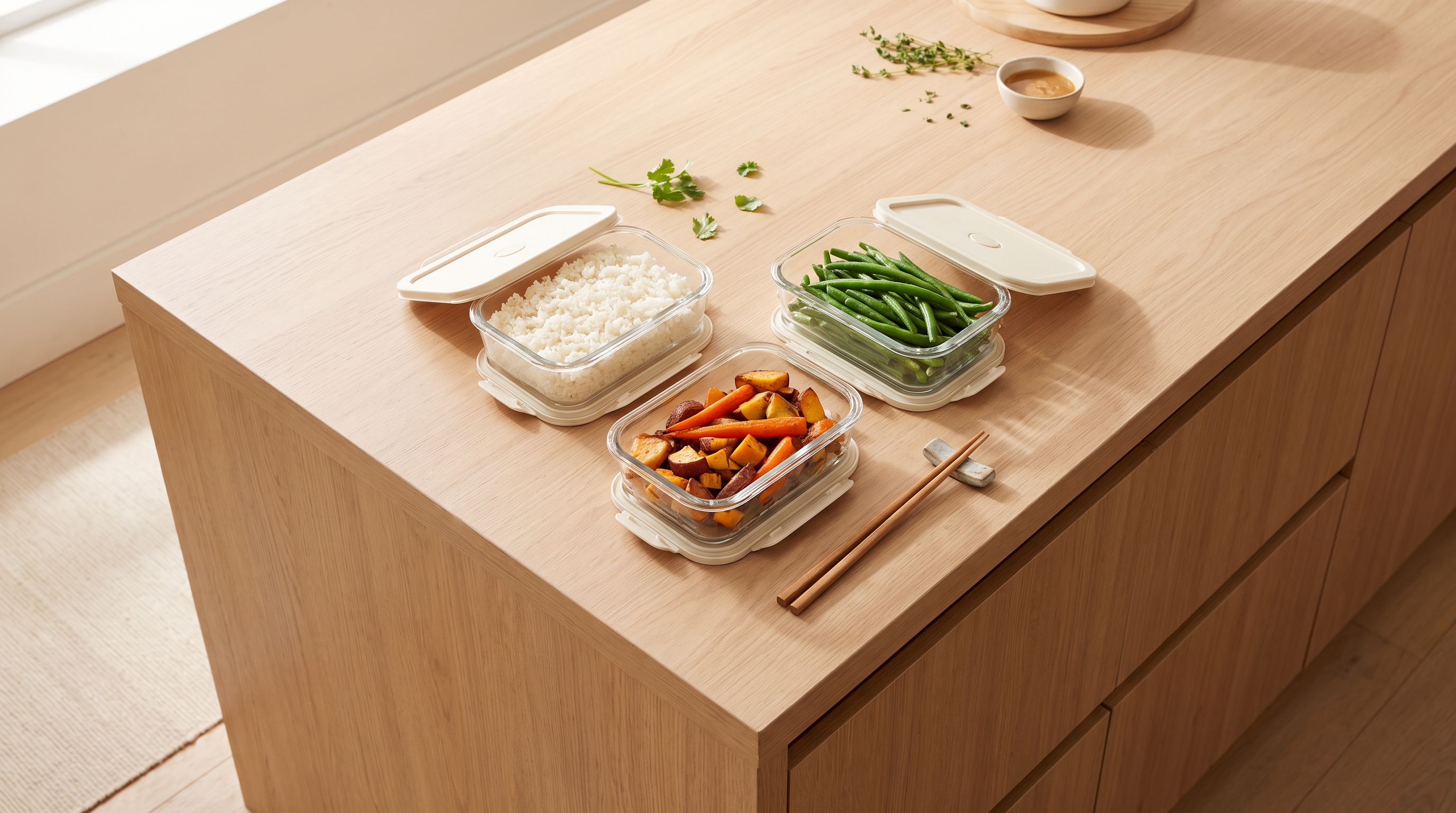
- Cook grains and legumes in bulk - one large pot of rice or beans covers several meals for roughly the same effort as cooking one portion.
- Portion into containers while still warm - splitting the batch straight away stops it turning into one giant leftover nobody wants to eat.
- Freeze half if the week is light - freezing extra portions means nothing goes off before it gets eaten.
- Repeat with small swaps - changing the sauce or spice keeps the same base ingredients from feeling repetitive.
How Much to Cook to Keep Costs Down
The cheapest way to prep is in batches large enough to cover multiple meals without creating more food than can be eaten before it spoils.
A Batch Size That Covers Most Weeks
Cooking a base of grain, legume and vegetable in portions of four to six servings tends to match a normal work week without heavy leftovers at the end.
| Ingredient | Batch Size | Why This Amount |
|---|---|---|
| Rice or grain | 4-6 portions | Cooks once, reheats well |
| Beans or lentils | 4-6 portions | Cheap protein, freezes fine |
| Frozen vegetables | 3-4 portions | No prep waste, long shelf life |
| Eggs | 6-8 at a time | Boil or scramble in bulk |
Making Cheap Meal Prep Work Around a Tight Week
A busy week doesn't leave much room for complicated cooking, which is exactly why cheap prep ideas tend to lean on the same few staples done consistently rather than something new every night.
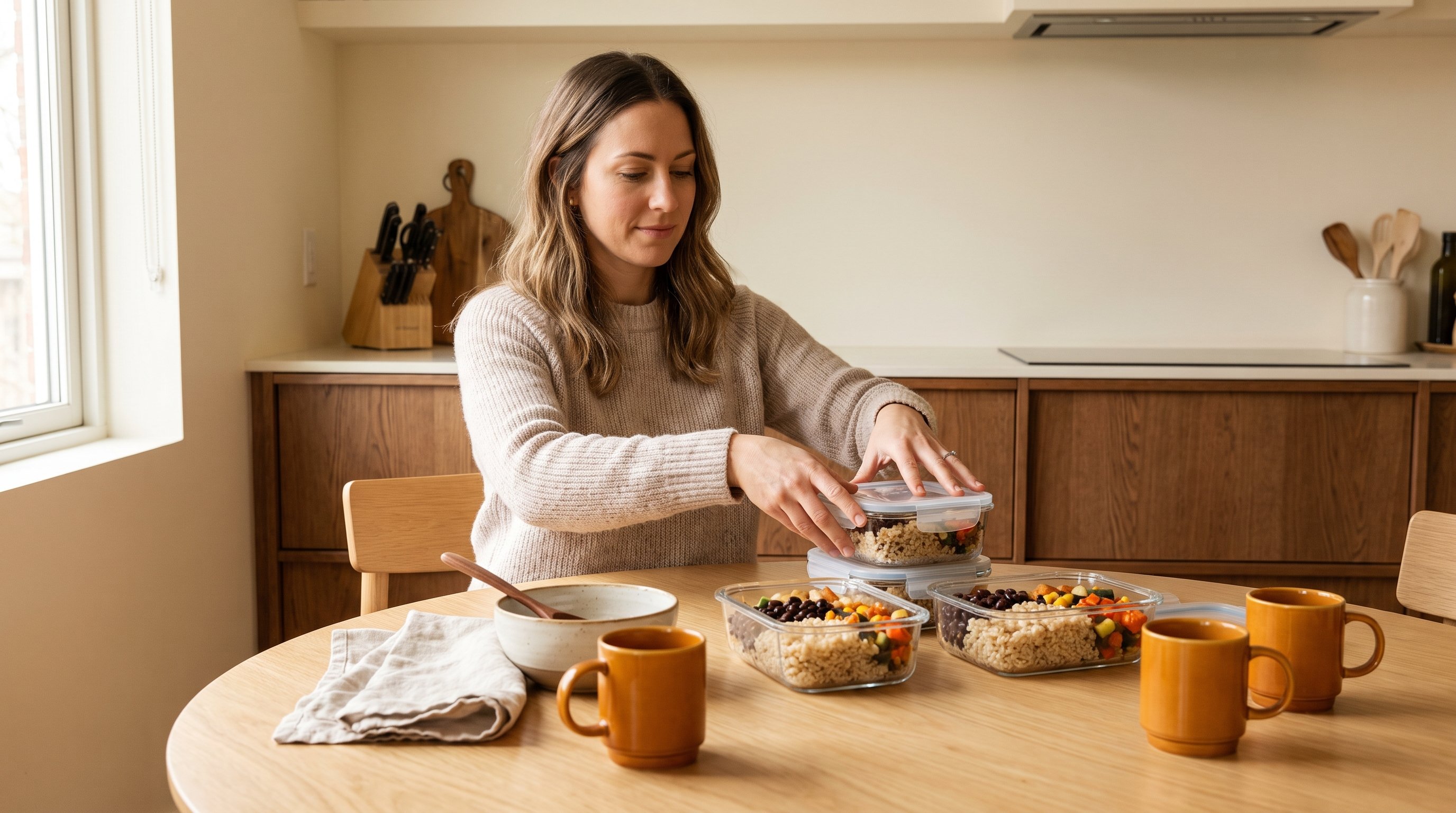
Keeping a short rotation of three or four base meals means less decision-making during the week, which is often what causes people to order takeaway instead of eating what's already prepped.
A meal plan built around food you already like makes this easier to sustain, which is part of what Asian Diet focuses on - tailored meal plans that work with ordinary ingredients rather than specialty items.
Pairing that with simple tracking - steps, water, weight all in one place - helps keep the budget side and the health side moving together instead of pulling in different directions.
A Four-Week Plan for Budget Meal Prep
The order below matters more than the exact ingredients - each week builds a habit the next week leans on.
| Stage | What Changes |
|---|---|
| Week 1 | One grain, one legume, one vegetable |
| Week 2 | Add a second protein option |
| Week 3 | Introduce different sauces or spices |
| Week 4 | Batch cook two meals, freeze extras |
When Cheap Meal Prep Starts to Feel Normal
The first couple of weeks feel like extra work because the routine is new, not because the approach is wrong.
Most people find the shopping list gets shorter and the cooking gets faster once the base ingredients become familiar rather than something to figure out each time.
It's worth staying vague about exactly when this clicks - some weeks it's quick, other weeks life gets in the way and the routine takes longer to settle.
Mistakes That Quietly Inflate a Prep Budget
Buying Specialty Ingredients for One Recipe
A sauce or spice used once and then forgotten about is money sitting in the cupboard. Stick to ingredients that show up in more than one meal that week.
Shopping Without a List
Extra trips to the shop almost always add impulse items that weren't needed. One list, one trip, keeps the spend close to what was planned.

Cooking Small Batches Every Time
Cooking one portion at a time uses roughly the same gas or electricity as cooking four, so the cost per meal stays high. Batching the base ingredients spreads that cost across more portions.
Letting Fresh Vegetables Go Off Unused
Fresh produce bought with good intentions but no plan often ends up in the bin. Frozen vegetables cost less, last longer, and go into the same meals without the waste.
Skipping the Freezer
Cooking a big batch and eating it all in three days leads to boredom and wasted effort further down the week. Freezing half keeps variety without extra cooking.
Building Cheap Meal Prep Ideas With Asian Diet
Keeping meal prep cheap usually comes down to repetition - the same few ingredients, cooked in bulk, used in different ways across the week.
Asian Diet takes that idea further with a plan built around ingredients you already like, paired with recipes from its library of over 1,000 options so the same base ingredients can turn into different meals without extra cost.
Progress tracking for water, weight and steps sits in the same place, so the budget side of eating well doesn't have to be managed separately from everything else.
Power Your Body Daily
Eat Clean Every Day
Keeping Budget-Friendly Prep Going Long-Term
The cheapest meal prep isn't the one with the lowest grocery receipt one week - it's the one that gets repeated often enough to actually save money over time.
Start with one base batch this week, keep the list short, and let Asian Diet handle the recipe variety so the same cheap ingredients don't get boring.
FAQ
It depends entirely on what's being replaced - home-cooked batches of rice, beans and frozen vegetables cost less per portion than most takeaway or convenience meals. The exact saving varies by household, so it's worth comparing a week's grocery receipt against a typical week of eating out.
Not necessarily - the base ingredients can stay the same while sauces, spices and sides rotate to keep meals different. Repetition at the ingredient level doesn't have to mean repetition at the plate level.
Even a single large batch of one item, like rice or beans, cooked once and split across several meals, cuts both time and cost compared with cooking from scratch each night. Starting with just one ingredient is enough to build the habit.
Yes - cheap staples like legumes, whole grains and frozen vegetables fit easily into a wider healthy eating pattern. Asian Diet's meal plans are built around these kinds of everyday ingredients, so budget and nutrition goals don't have to compete with each other.
Share this post