Gut Health Foods: A Simple Way To Eat For Your Gut
By:Author:Asian Diet Editorial
Updated on:October 18, 2026
- What a Day of Gut Health Foods Looks Like
- How Many Gut Health Foods You Actually Need
- Why Small Food Swaps Beat a Full Diet Overhaul
- Fitting Gut Health Foods Into a Normal Week
- Adjusting This Approach for Different Lifestyles
- When Eating This Way Starts to Feel Normal
- Making Gut Health Foods Easier With Asian Diet
- Keeping Gut-Friendly Eating Part of Your Routine
Gut health foods are simply foods that feed the bacteria living in your digestive tract - mainly fibre-rich plants and fermented foods eaten regularly, not occasionally.
The mechanism is straightforward: fibre passes undigested into the lower gut, where bacteria ferment it, and fermented foods add live cultures and variety to that bacterial population.
This article covers what a day of eating this way looks like, how much to aim for, why small changes beat a full overhaul, and how to keep it going past the first few weeks.
What a Day of Gut Health Foods Looks Like
You don't need a special menu to eat this way - just a few swaps spread across the day.
A Sample Day
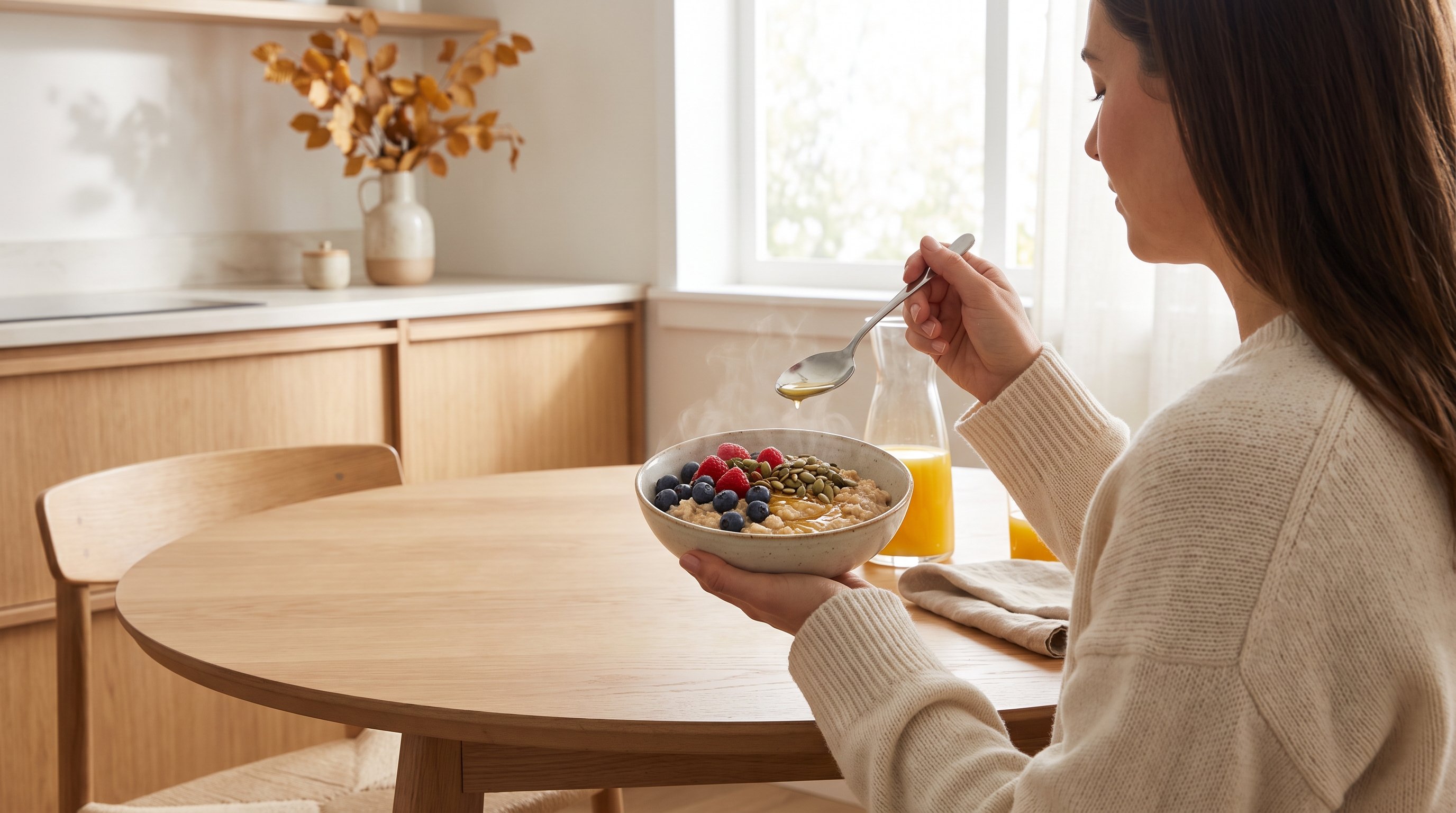
- Breakfast - oats with fruit and a spoon of yoghurt with live cultures
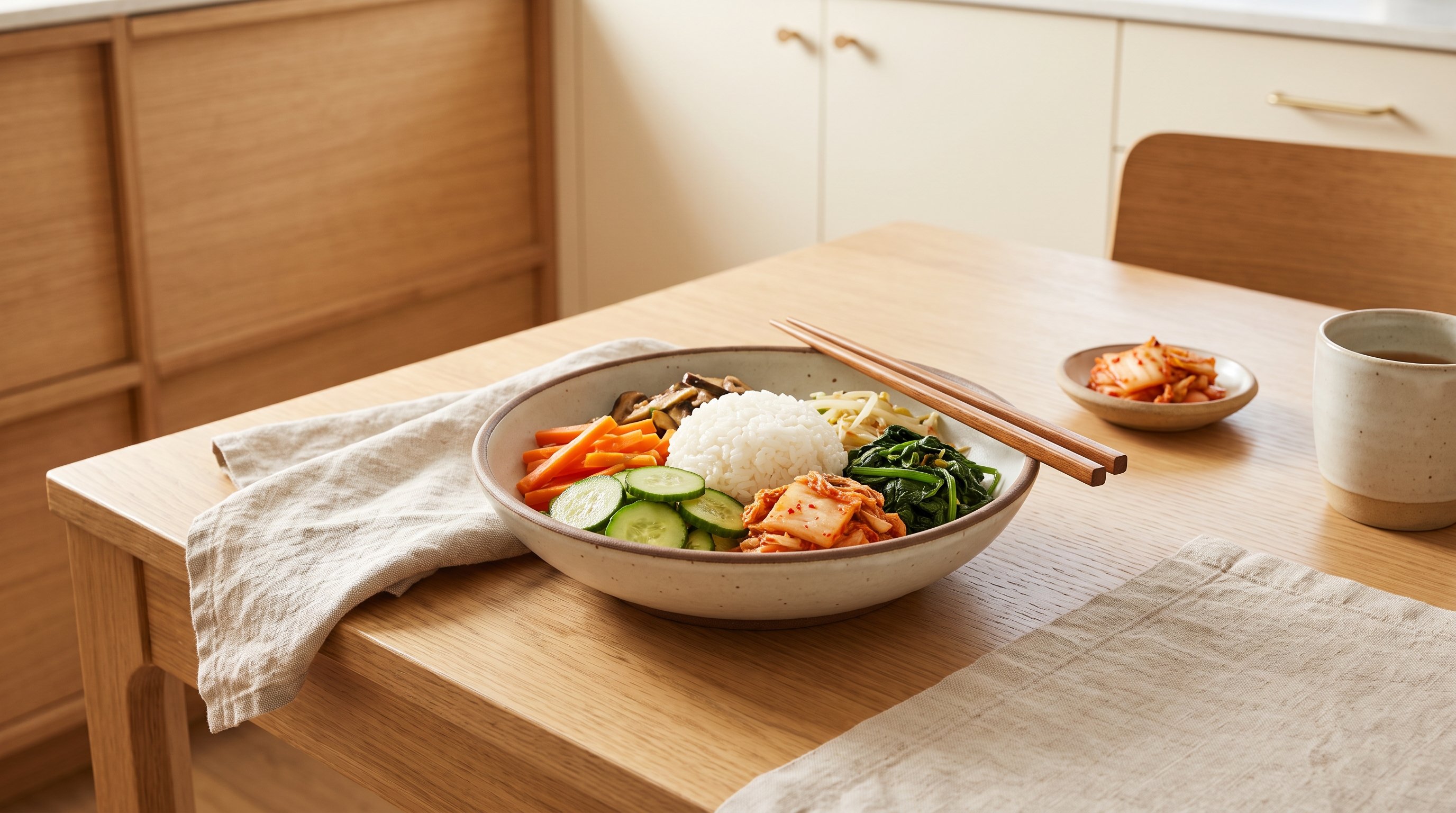
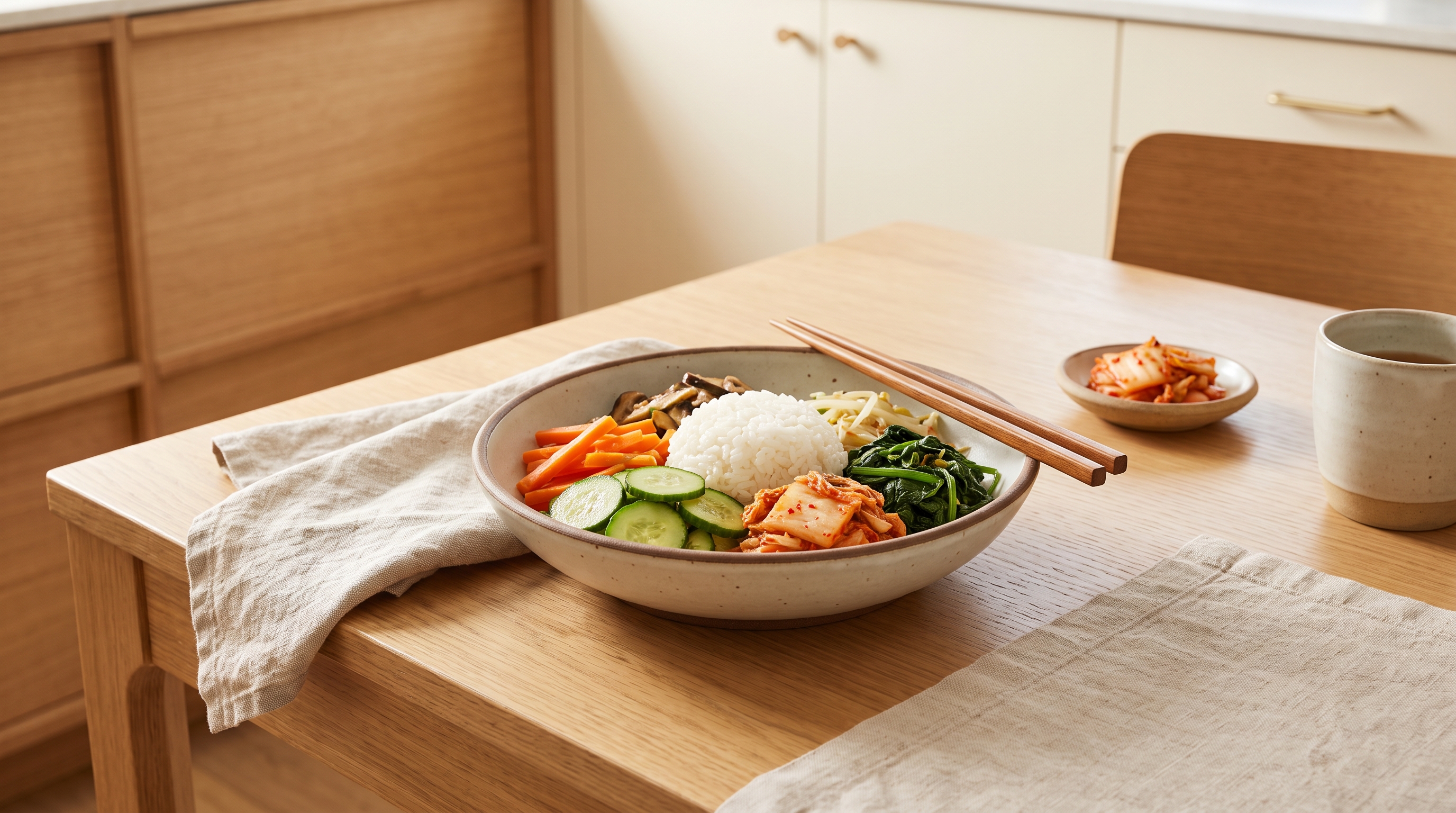
- Lunch - a grain bowl with mixed vegetables, beans and a side of kimchi or sauerkraut
- Snack - a piece of fruit and a handful of nuts
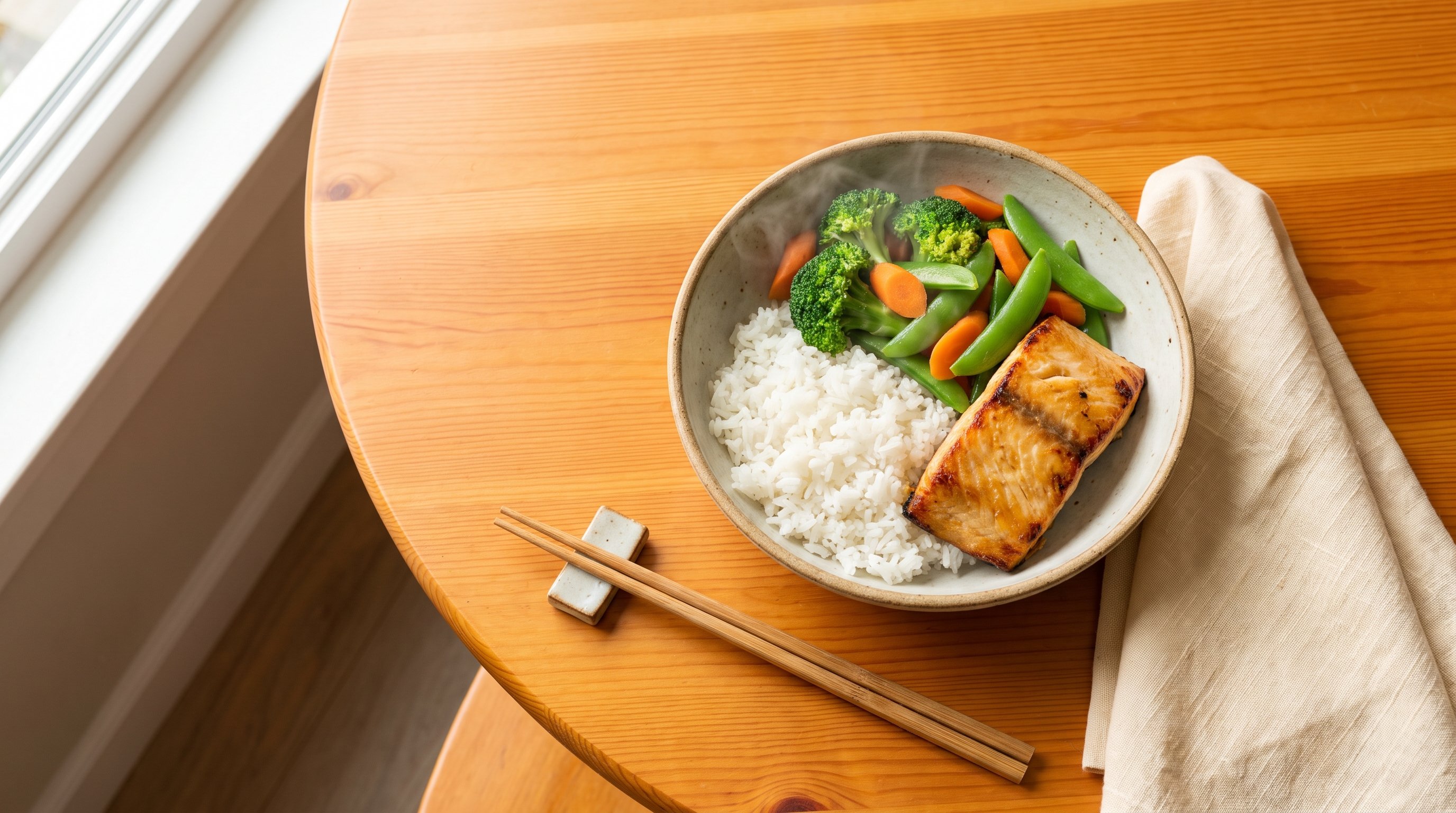
- Dinner - stir-fried vegetables with tofu or fish, served over rice with a splash of miso broth
- Evening - herbal tea, optionally with a small portion of fermented vegetables on the side
None of this requires rare ingredients - most of it sits in a normal supermarket, just in a different combination than usual.
How Many Gut Health Foods You Actually Need
A Realistic Weekly Target
Aiming for variety across the week matters more than hitting one perfect meal - different plants and different fermented foods feed different bacteria.
| Goal | Target |
|---|---|
| Plant variety | 20-30 different plants weekly |
| Fermented foods | 1-2 servings most days |
| Fibre-rich meals | At least one per meal |
| Whole grains | Swap in several times a week |
| Legumes | A few servings weekly |
Plant variety counts things like different vegetables, fruits, grains, nuts, seeds and herbs - a bowl with five different ingredients already counts for more than one.
Why Small Food Swaps Beat a Full Diet Overhaul
Rebuilding every meal from scratch rarely survives a busy week - a strict elimination diet asks for too much decision-making every single day.
Swapping white rice for brown a few times a week, or adding a spoon of kimchi to a meal you already cook, asks for almost nothing.
The small-swap approach wins because it survives a bad week - a tired Tuesday doesn't undo it, while a rigid plan tends to collapse the moment life gets in the way.
Fitting Gut Health Foods Into a Normal Week
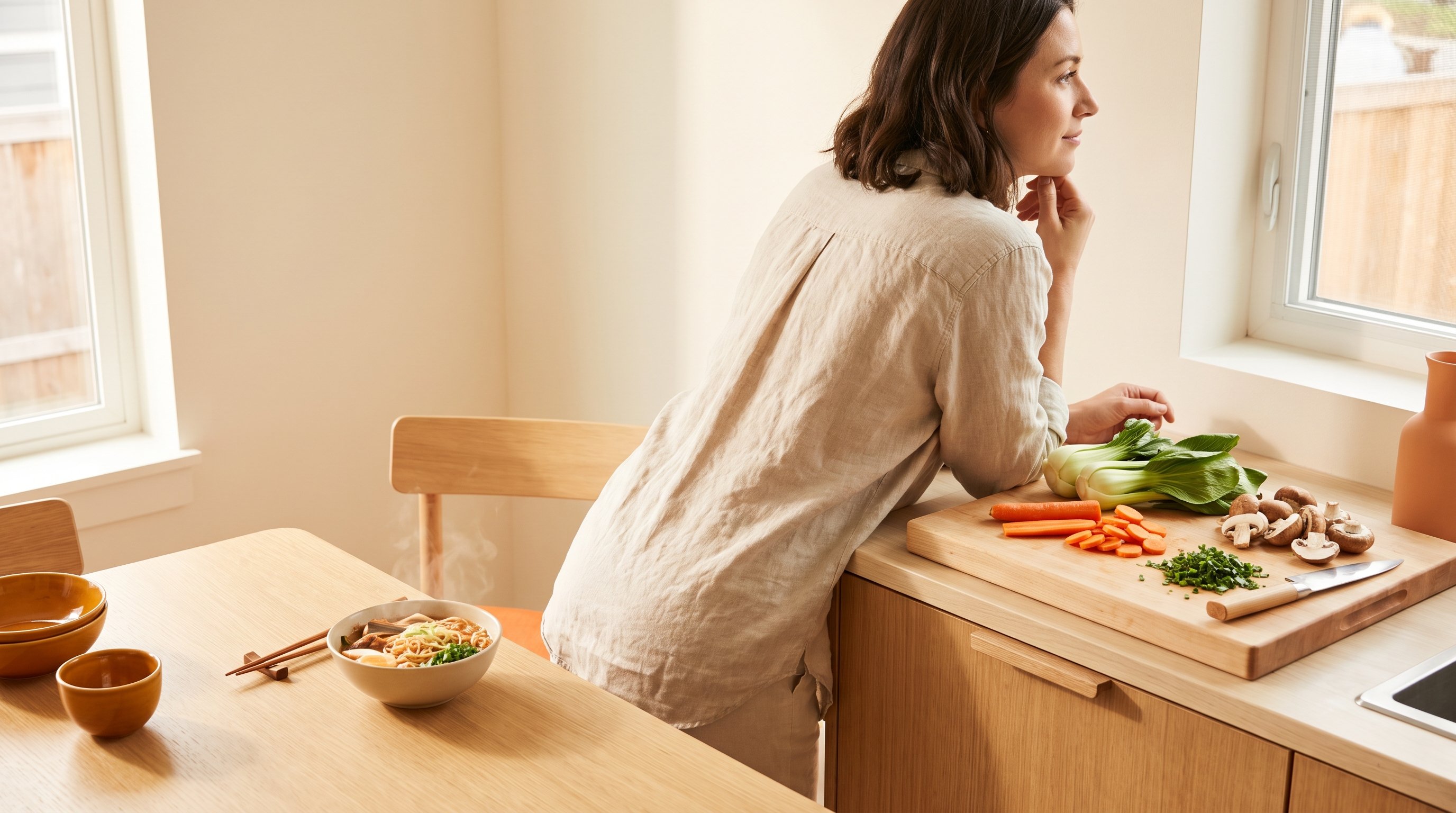
Most weeks already have a few meals that could carry a gut-friendly swap without any extra shopping trip - leftover rice becomes a grain bowl, a side salad becomes three different vegetables instead of one.
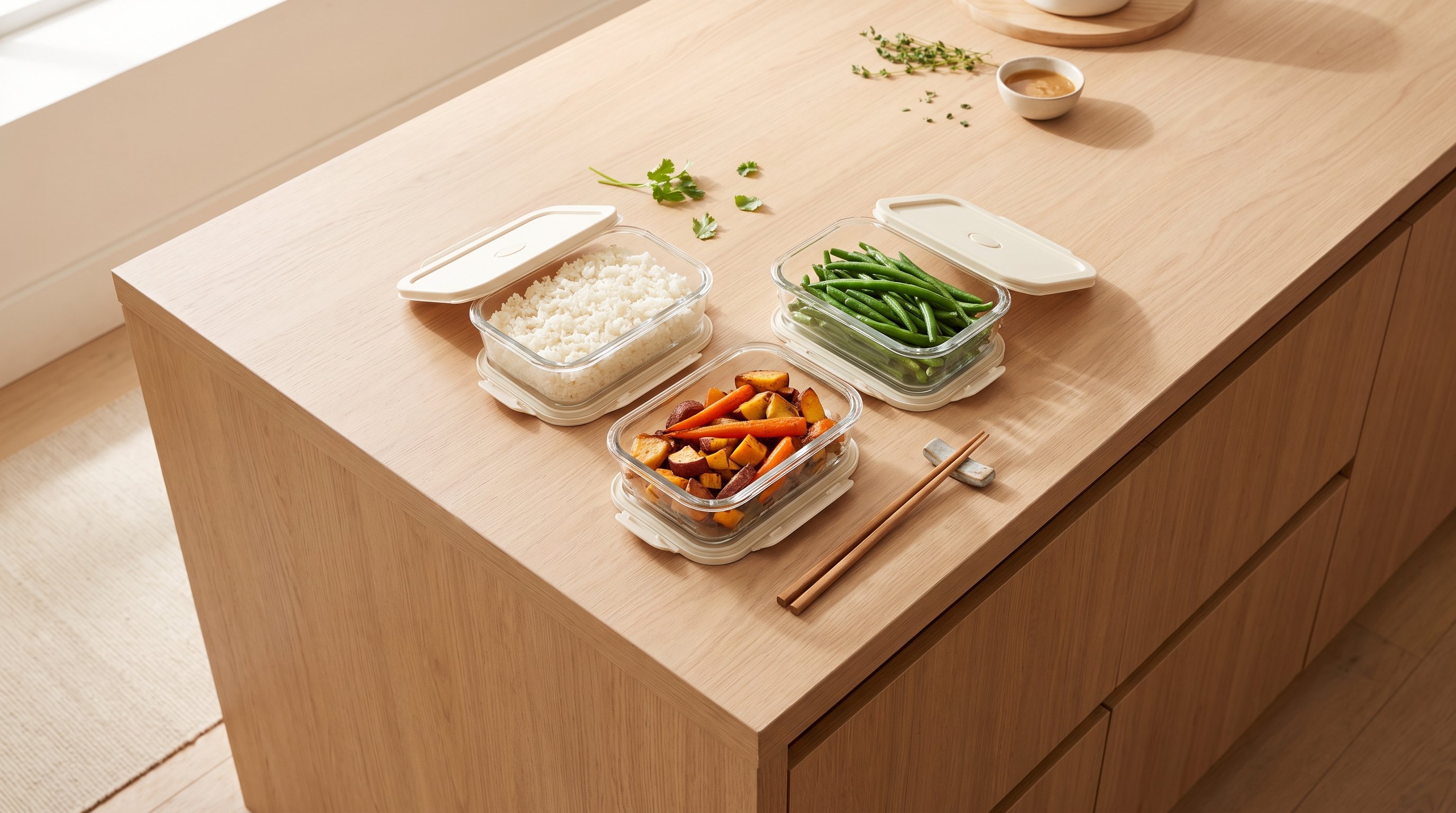
Batch-cooking a pot of beans or a jar of quick-pickled vegetables on a Sunday means the swap is already done by the time a weeknight gets busy.
Asian Diet's recipe library leans on Asian cuisines that already use fermented and plant-heavy ingredients, so a meal plan built around food you already like can nudge you toward this way of eating without extra planning.
Adjusting This Approach for Different Lifestyles
If You're Just Starting Out
Pick one meal a day to adjust rather than all three - a single added vegetable or a spoon of fermented food is enough to start building the habit.
If You're Short on Time
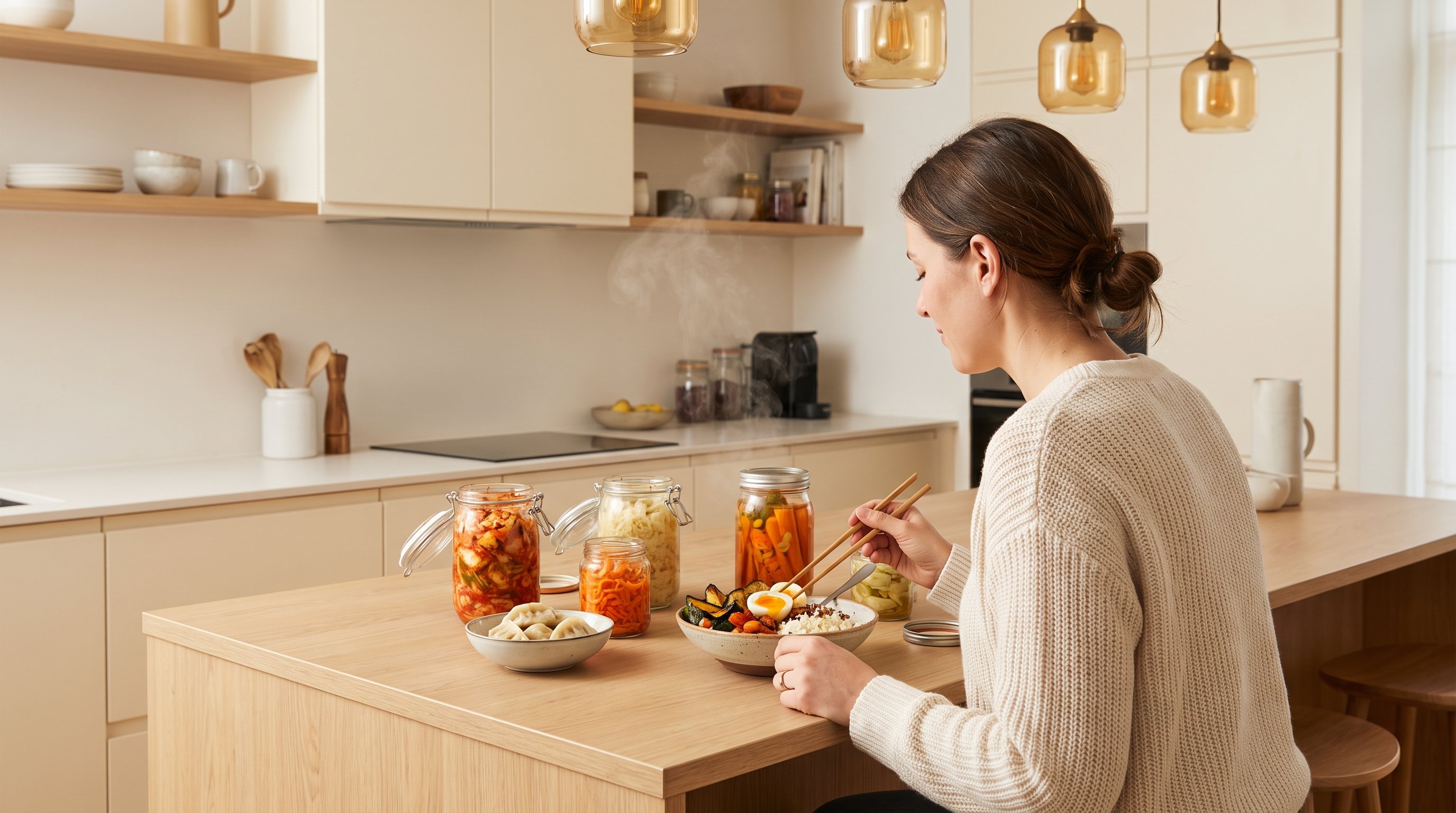
Pre-cut vegetables, tinned beans and jarred fermented foods remove the prep step entirely, so the only decision left is adding them to a plate.
If You're Cooking for a Family
Put fermented sides and extra vegetables on the table separately so everyone can add what they want without changing the main dish.
If You're Managing a Health Condition
Some fermented or high-fibre foods don't suit everyone, so introduce them gradually and adjust the amount based on how your digestion responds.
When Eating This Way Starts to Feel Normal
This isn't a quick fix with a set timeline, so it's worth being patient rather than watching for a particular day when everything changes.
Most people find the habit starts to feel automatic once the swaps are built into a repeated shopping list and a handful of go-to meals.
The point where people usually give up is the first time they forget for a few days - treat that as a normal bump, not a reason to stop.
Making Gut Health Foods Easier With Asian Diet
Deciding what to cook every night is the part that usually breaks a healthy eating habit, not a lack of willpower.
Asian Diet's recipe collection and tailored meal plans take that decision off your plate, with over 1,000 recipes built around the kind of fibre-rich, fermented ingredients this article covers.
Progress tracking for water, weight and steps sits alongside the meal plans, so the food side and the habit side live in one place instead of several apps.
Power Your Body Daily
Eat Clean Every Day
Keeping Gut-Friendly Eating Part of Your Routine
Start small this week - add one fermented food and one extra vegetable to a meal you already make, and repeat it a few times before adding anything else.
Asian Diet can help turn that single swap into a repeatable plan, so it stops being a one-off and becomes part of how you eat.
FAQ
Eating a wider variety of plants and adding fermented foods gives your gut bacteria more to work with than a repetitive, low-fibre diet does. It's a gradual shift in what you feed your gut, not an overnight fix.
A supplement usually delivers a narrow set of bacterial strains, while whole fermented foods and fibre-rich plants feed a broader range at once. Food also brings fibre, vitamins and other nutrients that a capsule doesn't.
Fibre-rich plants - vegetables, beans, whole grains - do plenty of the work on their own, so fermented foods are a bonus, not a requirement. A tin of beans or a bag of frozen vegetables counts just as much as a jar of kimchi.
Running out of ideas is the most common reason, especially once the first few new recipes get repetitive. Asian Diet's recipe library and tailored meal plans exist to keep giving you new ways to eat this way so the routine doesn't run dry.
Share this post