Fermented Foods List: A Beginner's Guide to What to Eat
By:Author:Asian Diet Editorial
Updated on:October 18, 2026
- How to Start Adding Fermented Foods to Your Meals
- How Much of These Foods to Eat Each Day
- Fitting Fermented Foods Around Meals You Already Eat
- A Four-Week Plan for Building This Habit
- When Eating Fermented Foods Starts to Feel Routine
- Mistakes That Stop People Sticking With This List
- Building This Fermented Foods List Into Asian Diet
- Keeping a Fermented Foods List Part of Your Routine
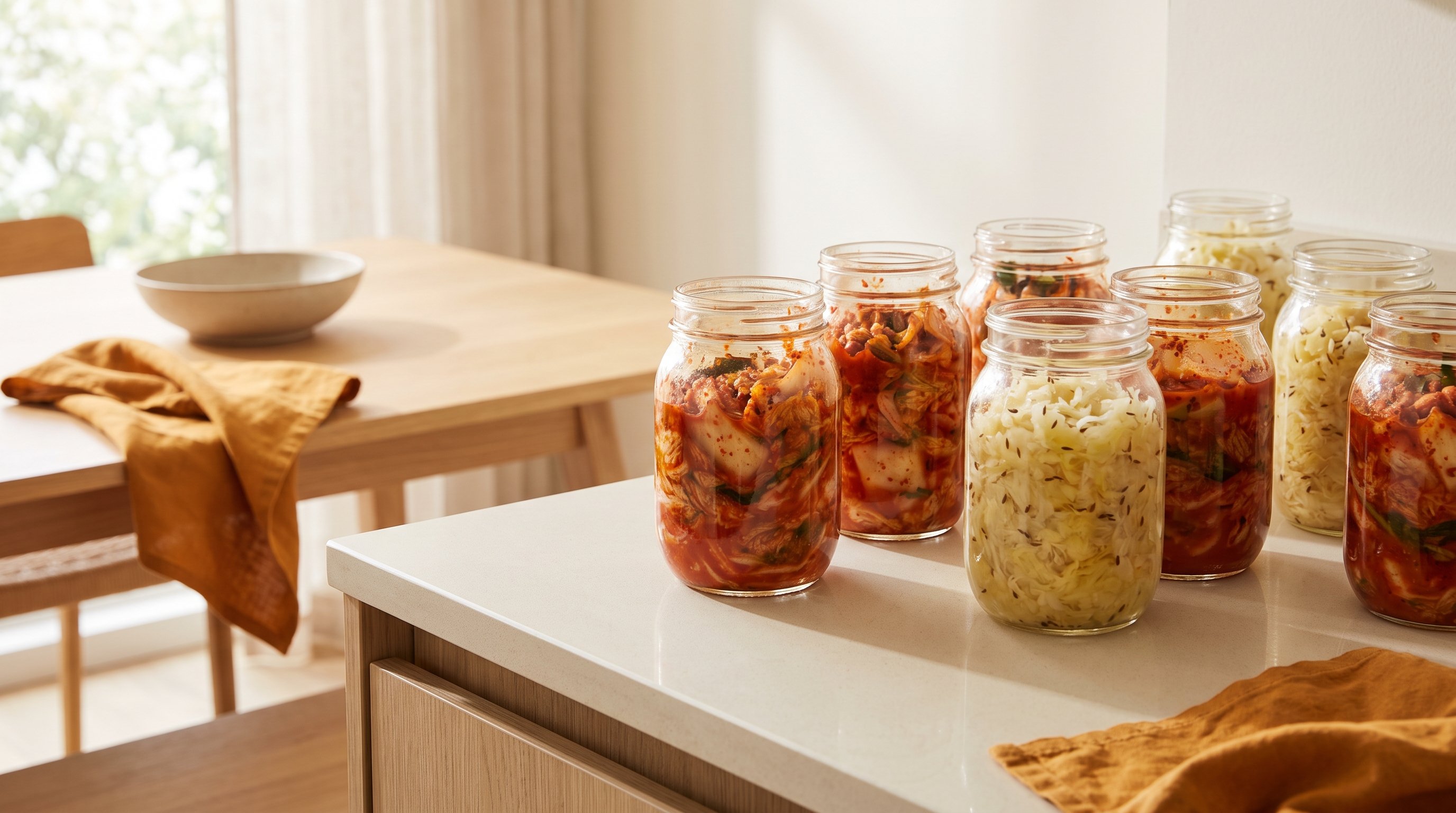
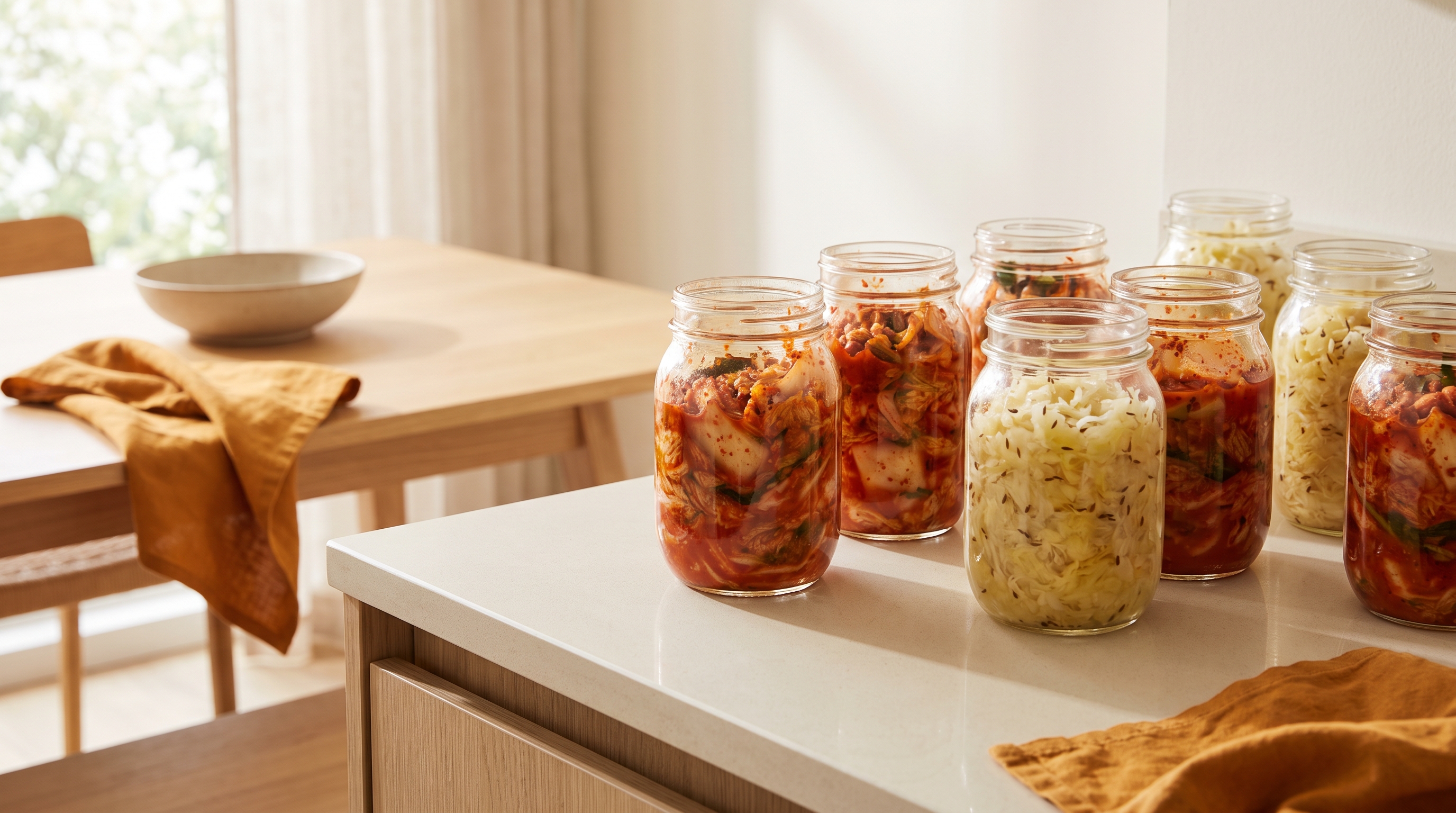
A useful fermented foods list includes yoghurt, kefir, kimchi, sauerkraut, miso, tempeh, natto and kombucha - foods that have gone through a natural fermentation process rather than being heavily processed.
Fermentation works because bacteria or yeast break down sugars in the food, which changes its texture, flavour and shelf life while leaving behind live cultures in some of these foods.
This guide covers which fermented foods to start with, how much actually matters, a simple four-week way to build the habit, and the mistakes that stop people from sticking with it.
How to Start Adding Fermented Foods to Your Meals
Adding fermented foods does not mean changing every meal overnight. A slow, steady approach is easier to keep up and easier for your digestion to adjust to.

A Simple Way to Begin
- Pick one food to start with - plain yoghurt or kefir is an easy entry point because it works in breakfasts and smoothies.
- Add a small portion daily - a few spoonfuls of kimchi or sauerkraut alongside a meal is enough to begin with.
- Check the label - look for words like 'live cultures' or 'unpasteurised' since some jarred products are heat-treated and no longer contain live bacteria.
- Swap, don't stack - replace a side dish or condiment you already use rather than adding extra food on top of your usual plate.
- Rotate through the list - try miso in soup one week, tempeh in a stir-fry the next, so you are not relying on just one food.
- Keep a drink option on hand - kombucha or a fermented tea can replace a sugary drink without adding anything complicated to your day.
- Give your gut time to adjust - start small and increase the amount gradually over a week or two.
How Much of These Foods to Eat Each Day
There is no single correct amount, but small, regular portions tend to work better than one large serving every so often.
A Rough Daily Guide
The table below gives a starting point for common fermented foods, based on typical serving sizes used in everyday cooking.
| Food | Typical Serving |
|---|---|
| Yoghurt or kefir | 150 to 200 mL |
| Kimchi or sauerkraut | 2 to 3 tablespoons |
| Miso | 1 tablespoon in soup |
| Tempeh | 80 to 100 g cooked |
| Kombucha | 1 small glass |
Fitting Fermented Foods Around Meals You Already Eat
Fermented foods work best as additions, not as a separate project you have to plan around.
Miso stirred into a soup, kimchi next to rice, or kefir poured over fruit all take a few seconds and need no extra cooking time.
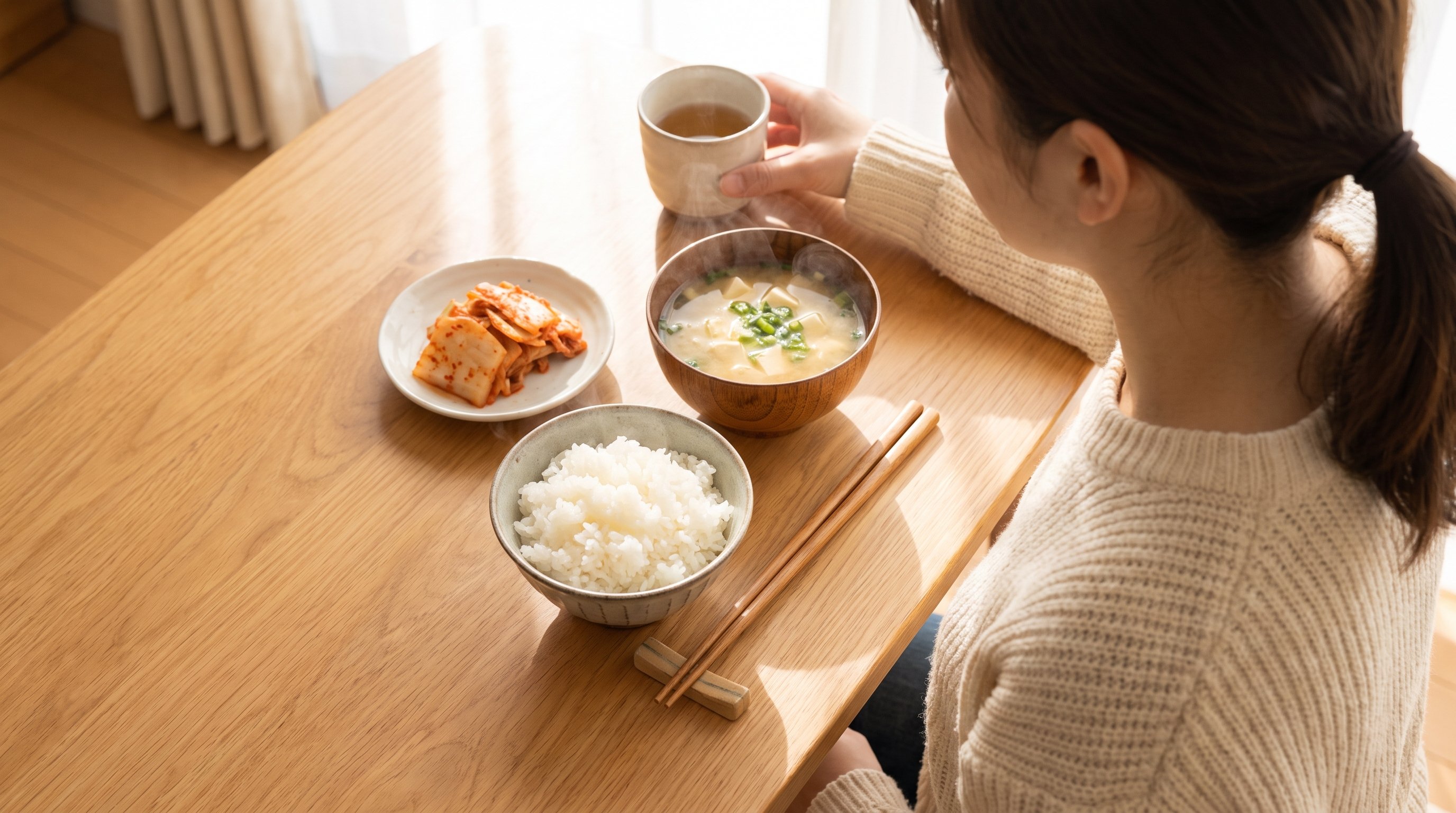
A meal plan built around food you already like makes this easier, since Asian Diet includes recipes that already use miso, kimchi and similar ingredients rather than asking you to learn new dishes from scratch.
That means the fermented food is already part of the plan, not something extra to remember to add.
A Four-Week Plan for Building This Habit
The order of these stages matters more than the exact foods you pick - start simple, then build variety.
| Stage | What to Focus On |
|---|---|
| Week 1 | Add yoghurt or kefir daily |
| Week 2 | Add a small side of kimchi or sauerkraut |
| Week 3 | Swap a soup base for miso |
| Week 4 | Rotate in tempeh and kombucha |
When Eating Fermented Foods Starts to Feel Routine
It takes time for any new food habit to stop feeling like an extra step and start feeling automatic.
Some people notice they reach for kimchi or yoghurt without thinking about it after a few weeks, others take longer, and that is normal.
There is no fixed point where this habit is supposed to click - the only thing that matters is that the food is still on your plate a month from now.
Mistakes That Stop People Sticking With This List
Buying Pasteurised Products by Mistake
Some shelf-stable kimchi and sauerkraut have been heat-treated, which kills the live cultures - check the label for 'live' or 'unpasteurised' if that matters to you.
Trying Every Food at Once
Adding yoghurt, kimchi, miso and kombucha all in the same week can be a lot for your digestion to adjust to - add one food at a time instead.
Treating It As a Cure for Something Specific
Fermented foods are not a treatment for any condition - they are simply one type of food worth including as part of a varied diet.
Expecting a Dramatic Change
No single food changes how you feel overnight - the value comes from eating these foods consistently as part of your normal meals.
Forgetting to Rotate
Eating the same fermented food every day gets boring fast - rotating through a few options keeps the habit interesting enough to last.
Building This Fermented Foods List Into Asian Diet
Asian Diet pulls together recipes that already lean on fermented staples like miso, kimchi and tempeh, so you are not left guessing how to use them.
The recipe collection, paired with progress tracking for water, steps and weight, keeps this kind of food swap visible instead of something you mean to do and forget.
Power Your Body Daily
Eat Clean Every Day
Keeping a Fermented Foods List Part of Your Routine
Pick one fermented food from this list, buy it this week, and add a small portion to a meal you already cook.
Asian Diet can help by building meals around those same ingredients, so the habit stays easy to repeat rather than something you have to think hard about.
FAQ
Plain yoghurt or kefir is usually the simplest starting point because it fits into breakfasts and smoothies without extra prep. Kimchi and sauerkraut are close behind since they work as a side dish with almost any meal.
No single food replaces a varied diet, and fermented foods are not a cure or a shortcut. They work best as one part of meals that already include vegetables, protein and whole grains.
Starting with a small portion and increasing it slowly over a week or two usually makes the adjustment easier. If a particular food consistently causes discomfort, there is no need to force it - there are several others on the list to try instead.
Asian Diet includes recipes built around ingredients like miso, kimchi and tempeh, so you do not have to plan new meals from scratch. It also tracks your habits over time, which makes it easier to see whether the change is sticking.
Share this post