Gentle Exercise: A Simple Guide To Moving More Without Burning Out
By:Author:Asian Diet Editorial
Updated on:October 18, 2026
- A Week of Easy Movement You Can Copy
- How Many Minutes a Week Actually Add Up
- Why Easy Sessions Outlast Hard Ones
- Making Easy Movement Fit a Normal Week
- Who Benefits Most and How to Adjust It
- When the Habit Actually Starts to Settle
- Pairing Asian Diet With a Gentle Movement Routine
- Keeping Your Easy Movement Habit Honest
Moving your body does not need to hurt to count. Short, easy sessions done most days add up to more than occasional hard ones that leave you wiped out and avoiding the next one.
The mechanism is simple: consistency beats intensity because a body that recovers quickly keeps showing up tomorrow. Low-strain movement keeps joints and energy intact, so the habit survives past the first excited week.
This guide covers what a normal week of easy movement looks like, how much is enough, who it suits, and how to keep it going once the novelty wears off.
A Week of Easy Movement You Can Copy
Here's one way to spread easy movement across seven days without it taking over your schedule.
A Sample Week
- Monday - a 20-minute walk and five minutes of stretching before bed
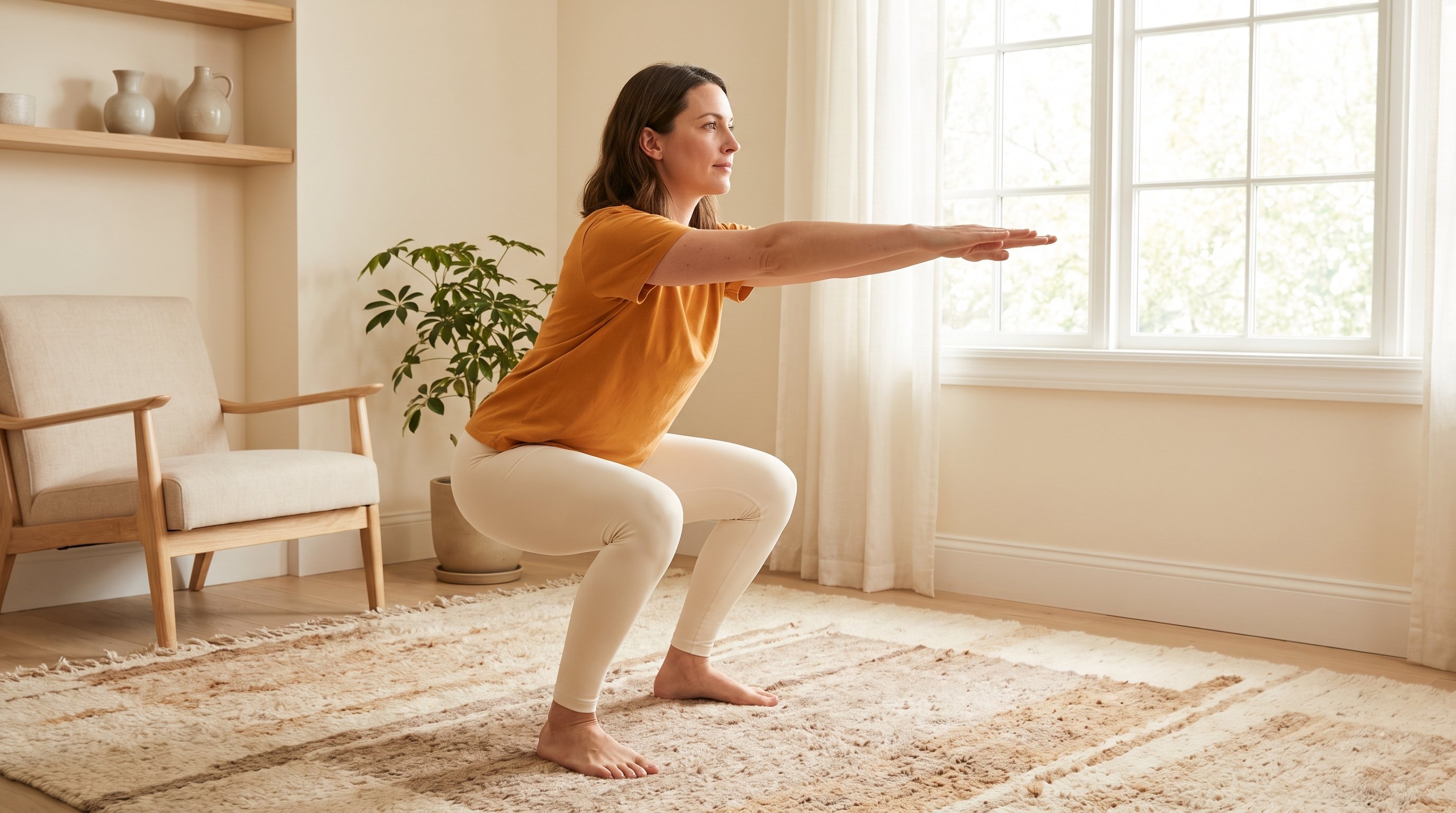
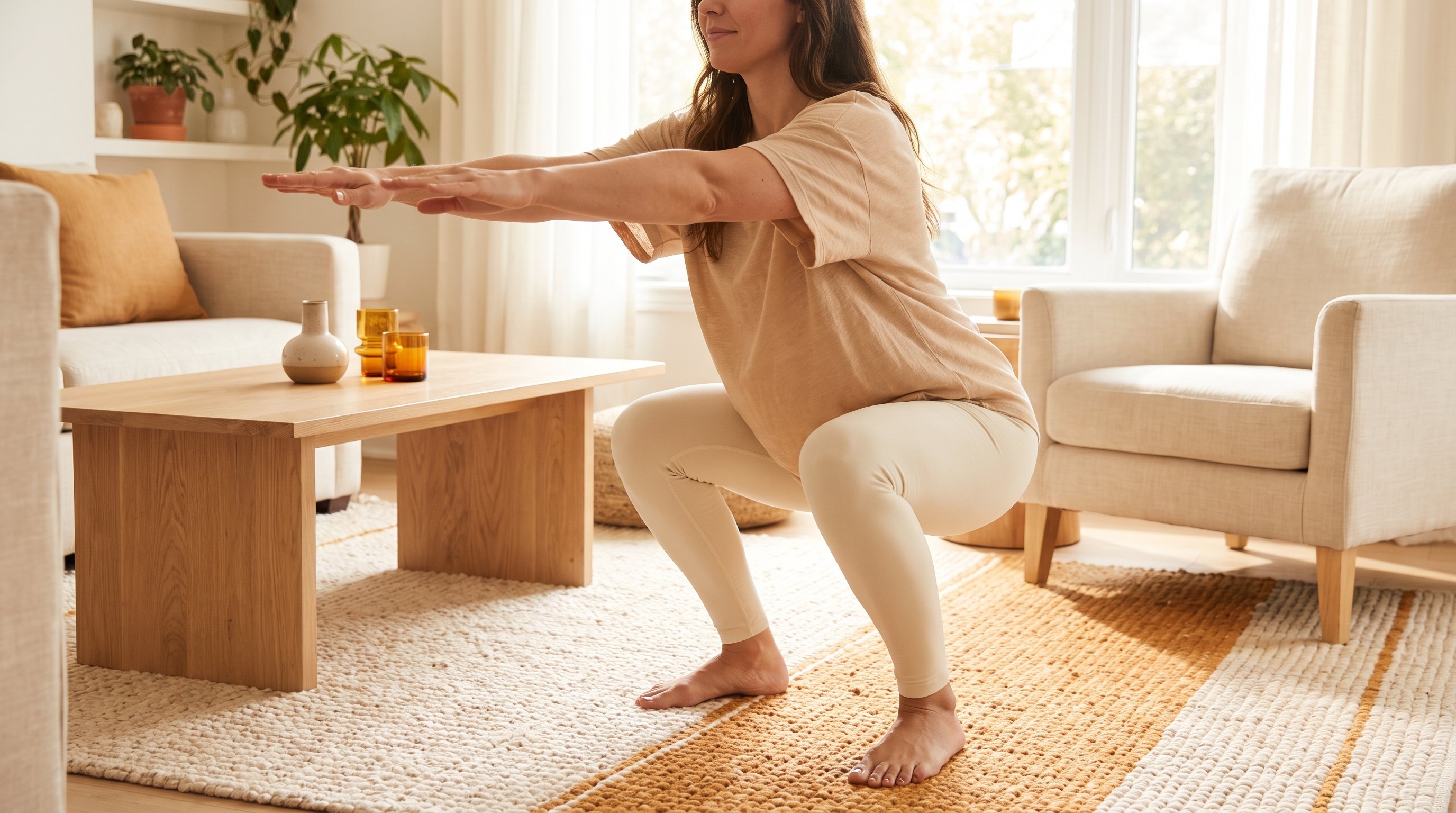
- Tuesday - a slow bodyweight routine, nothing to failure
- Wednesday - rest, or a short walk if you feel like moving
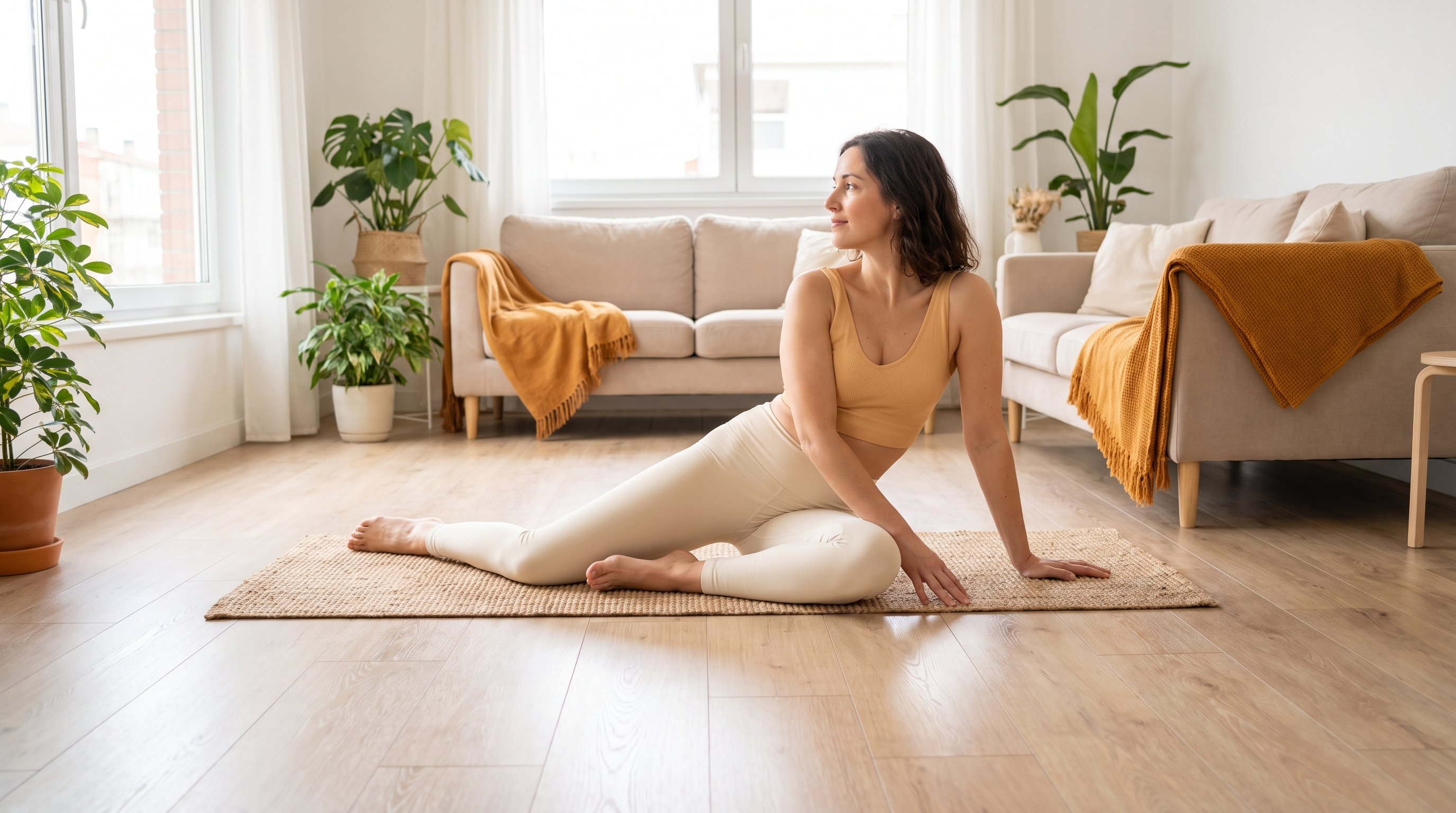
- Thursday - a gentle yoga session focused on breathing and range of motion
- Friday - a 20-minute walk
- Saturday - a longer walk outdoors, 30-40 minutes, no pace targets
- Sunday - rest, or light stretching while watching television
Notice there's no sprinting, no heavy lifting, and two full rest days. That's the point - the week should feel doable even on a tired Tuesday.
How Many Minutes a Week Actually Add Up
A Realistic Weekly Target
Most people can comfortably manage somewhere between 90 and 150 minutes of easy movement a week once it's spread across several short sessions. That works out to roughly 15-20 minutes a day, which fits before work, on a lunch break, or in front of the television.

| Stage | Weekly Total | How It's Split |
|---|---|---|
| Just starting out | 60-90 min/week | 15 min, 4-6 days |
| Building consistency | 90-120 min/week | 20 min, 5-6 days |
| Comfortable routine | 120-150 min/week | 20-25 min, 6 days |
| Adding variety | 150+ min/week | mix of walking, stretching, yoga |
None of these numbers are targets to chase with guilt. They're a rough map so you know whether 10 minutes here and there is roughly on track.
Why Easy Sessions Outlast Hard Ones
Compare two approaches: a punishing 45-minute HIIT class three times a week, versus a 20-minute walk or stretch most days.
The HIIT class burns more energy per session, on paper. But it also leaves sore legs, a dread of the next class, and a much easier excuse to skip it when the week gets busy.

The daily walk or stretch session asks so little of you that skipping it feels like more effort than doing it. Over weeks and months, the lower-effort option simply gets repeated more often, and repetition is what actually moves the needle.
Neither approach burns fat from any one area of the body - that is not how fat loss works, regardless of which muscles you move. What easy movement does offer is a routine you can actually sustain alongside the rest of your life.
Making Easy Movement Fit a Normal Week
Real weeks have school runs, late meetings, and days where the sofa wins. A 15-minute stretch session before bed or a walk during a phone call can slot into gaps that a gym session never could.
Food plays a role here too, since energy levels shape whether you actually get up and move. A meal plan built around food you already like, paired with simple tracking of steps and water, makes it easier to notice patterns - like the days you feel flat are often the days meals were rushed or skipped, which is where Asian Diet's progress tracking can help you spot the link.
Who Benefits Most and How to Adjust It
If You're Starting From Zero
Begin with five or ten minutes a day and nothing more ambitious than a walk around the block. The goal early on is showing up, not sweating.
If Your Days Are Packed
Split movement into two five-minute chunks rather than hunting for a free 20-minute slot. A short stretch after waking and a walk after lunch both count.
If You're Managing Joint or Mobility Concerns
Stick to seated stretches, slow walking, or water-based movement, and increase time before you increase effort. Progress here looks like doing the same gentle session for longer, not doing a harder one.
If You're Returning After a Break
Treat the first two weeks as a reintroduction, not a comeback. Shorter sessions than you remember being able to do are normal and expected.
When the Habit Actually Starts to Settle
The first couple of weeks often feel like admin - remembering to do it, finding the time, working out what you enjoy. Many people lose interest right around this point because nothing dramatic has happened yet.
Stick with it past that stretch and the sessions tend to stop needing willpower - they become something you just do, like brushing your teeth. There's no fixed week number for this; it depends on how consistently the sessions actually happened, not how hard they were.
Pairing Asian Diet With a Gentle Movement Routine
Movement and meals work better together than either does alone, and that's the whole idea behind Asian Diet.
The app pairs over 100 workouts, yoga sessions, and guided meditations with meal plans built from more than 1,000 recipes inspired by Asian cuisines, so you're not guessing what to eat before or after a session. Progress tracking keeps steps, water, weight, and fasting windows in one place, and motivating challenges give the easy-movement habit something to aim for without turning it into a punishing routine.
Power Your Body Daily
Eat Clean Every Day
Keeping Your Easy Movement Habit Honest
Pick one thing today: a 15-minute walk, five minutes of stretching, or a short yoga video. Do that one thing before deciding whether to add more tomorrow.
Asian Diet can sit alongside that habit, handling the food side while you handle the movement side, so neither one has to carry the whole effort on its own.
FAQ
It contributes to the overall energy balance that weight management depends on, alongside what you eat. On its own it's rarely enough, but paired with sensible eating it supports the same goal without wrecking your recovery.
The point isn't maximum effort per session, it's minimum friction to repeating it. A routine done five days a week beats an intense one done once and then abandoned.
Five to ten minutes still counts, especially split across the day rather than found as one block. Asian Diet's shorter workout options are built for exactly this kind of squeezed schedule.
Early motivation runs on novelty, and novelty wears off before results are visible. Sessions short enough to barely notice are easier to keep repeating once that initial excitement fades.
Share this post