Beginner Home Workout: A Simple Starting Guide
By:Author:Asian Diet Editorial
Updated on:October 18, 2026
- How to Start a Beginner Home Workout This Week
- How Many Days a Beginner Home Workout Needs
- Fitting a Beginner Home Workout Around Work and Family
- A Four-Week Plan for Starting a Home Workout
- When a Home Workout Habit Actually Starts to Click
- Mistakes That Stop a Beginner Routine From Sticking
- Making a Beginner Home Workout Easier With Asian Diet
- Keeping Your First Few Weeks of Training Simple
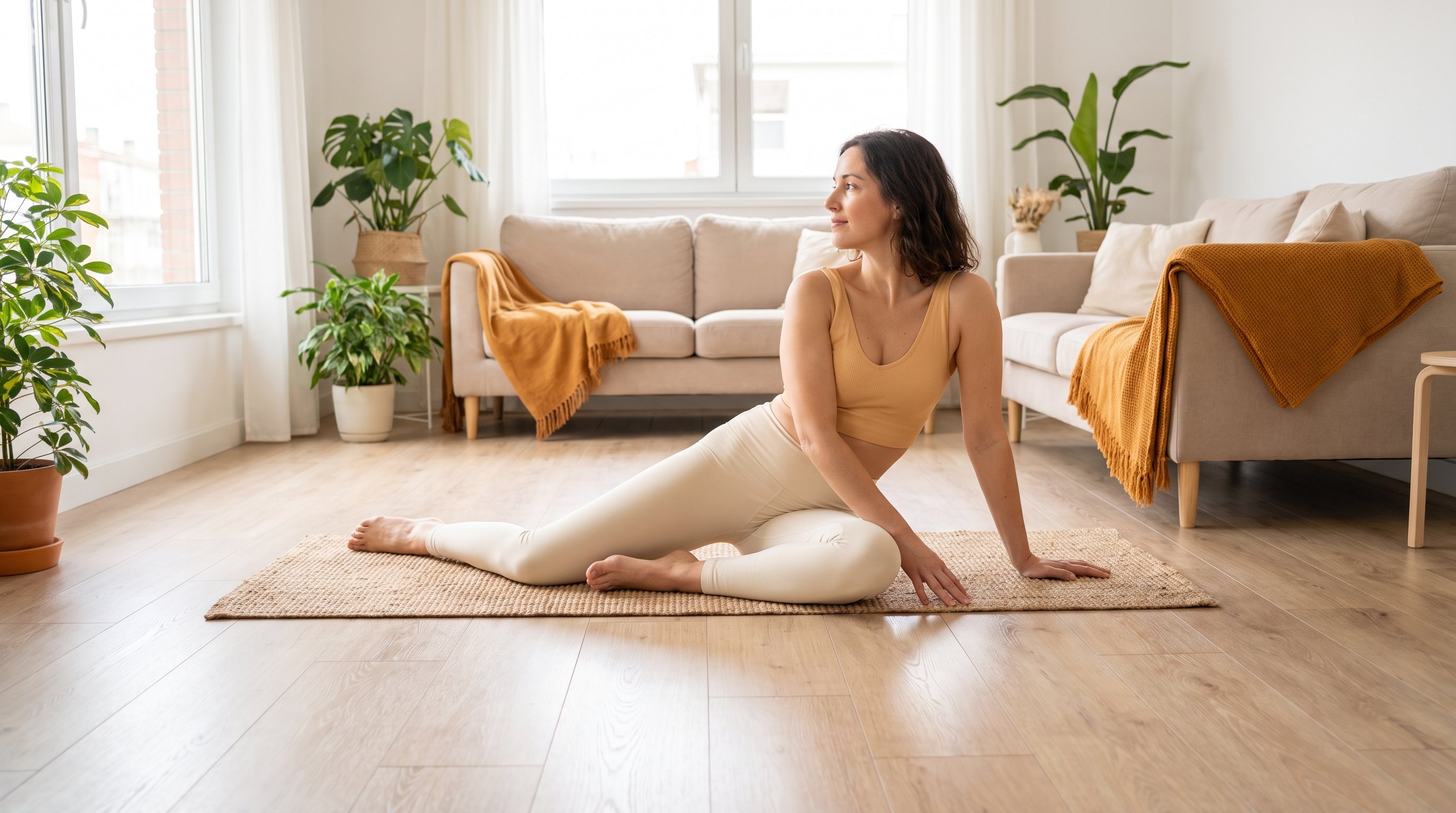
A beginner home workout works best when it's short, uses no equipment, and repeats often enough to become automatic - think 15 to 25 minutes, 3 to 4 times a week, built from squats, push-ups, lunges and planks.
The mechanism is simple: muscles adapt to repeated load, and bodyweight movements give you enough resistance to trigger that adaptation when you're starting from zero.
This guide covers the steps to get going, how much is actually enough, a four-week starter structure, the mistakes that derail most beginners, and where this fits around eating habits.
How to Start a Beginner Home Workout This Week
Getting started doesn't need a plan with twelve variables. It needs a short list you can act on today.
Steps to Get Moving
- Clear a small space - two metres by two metres is enough for squats, lunges and floor work.
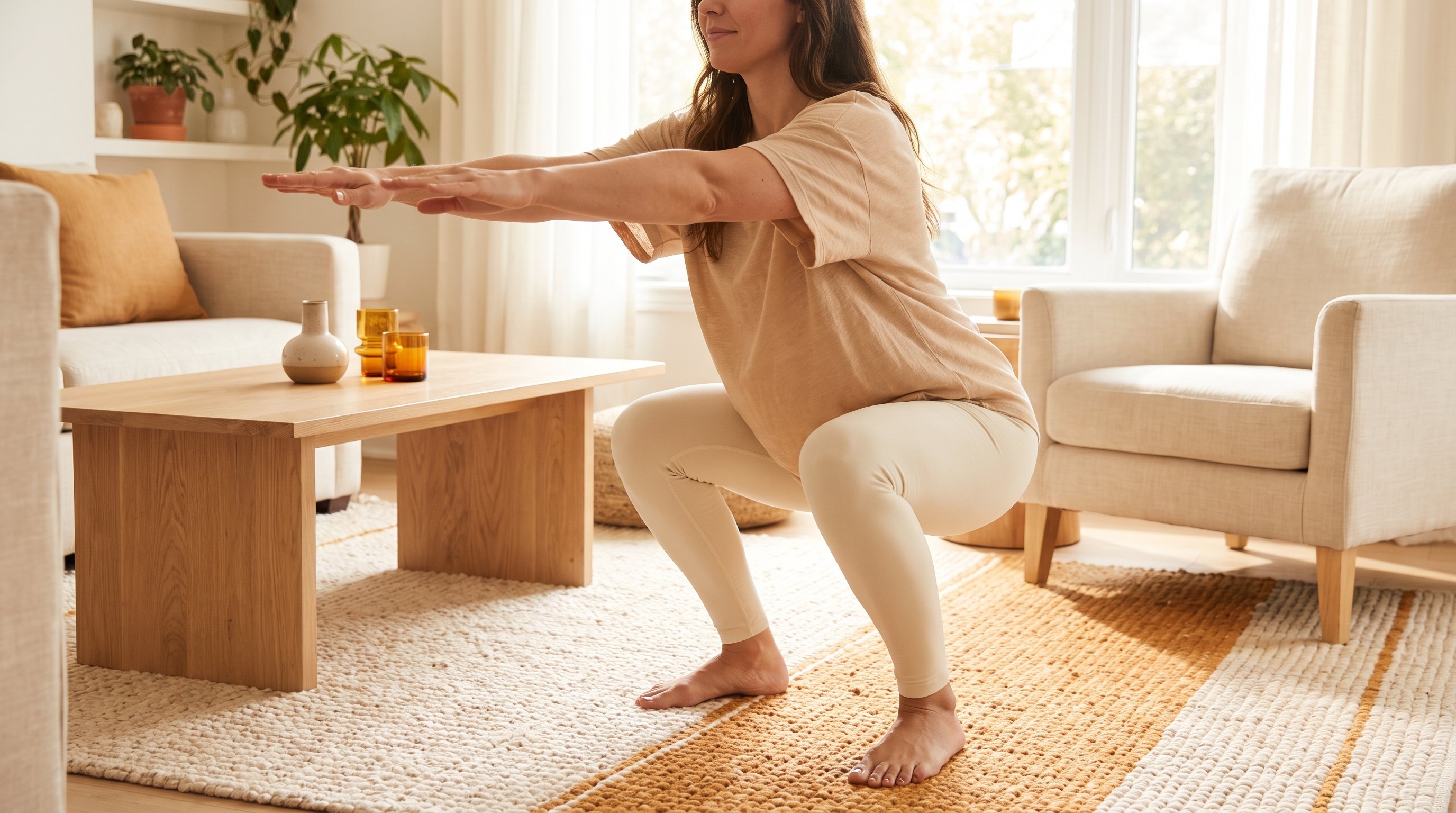
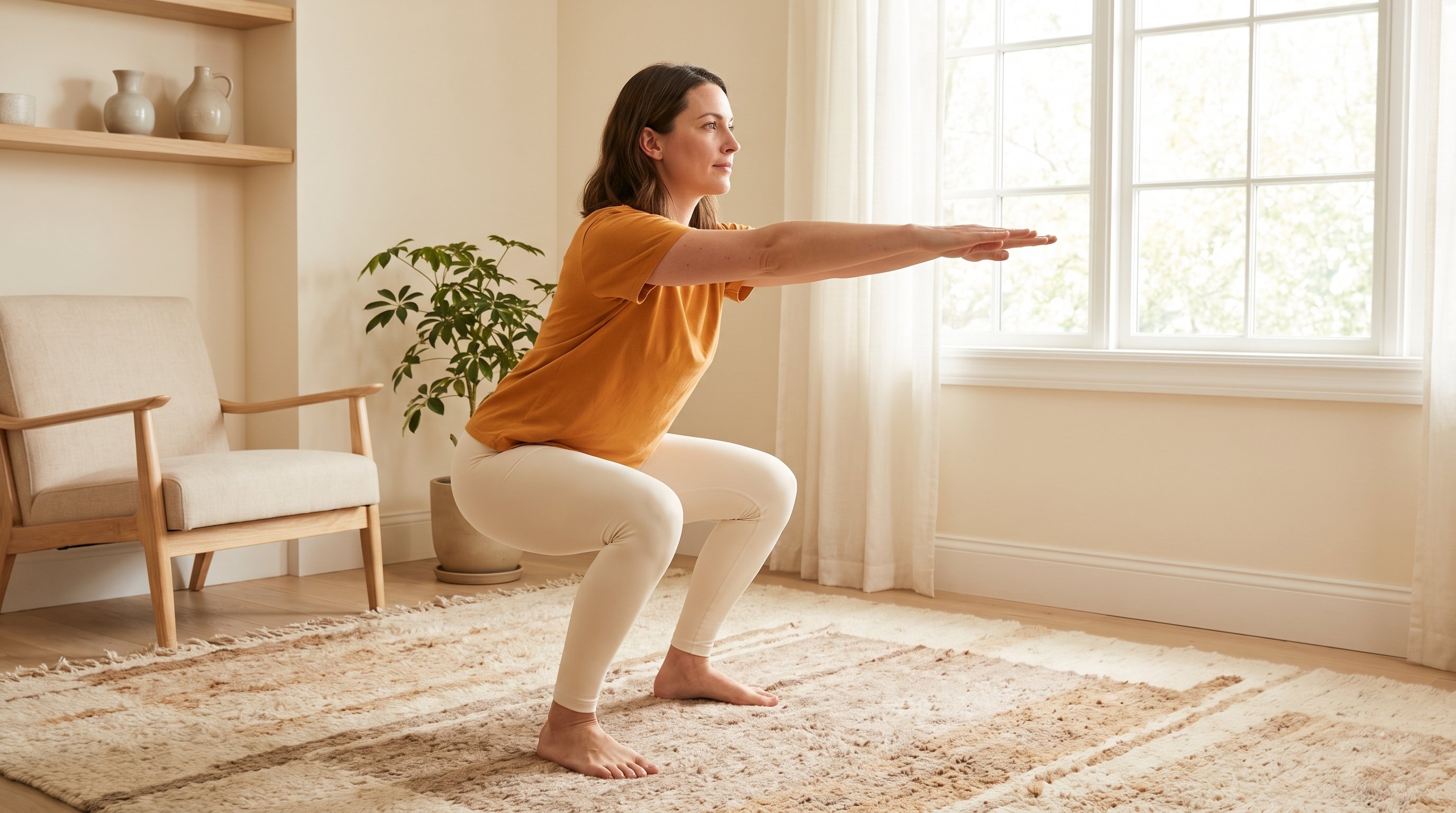
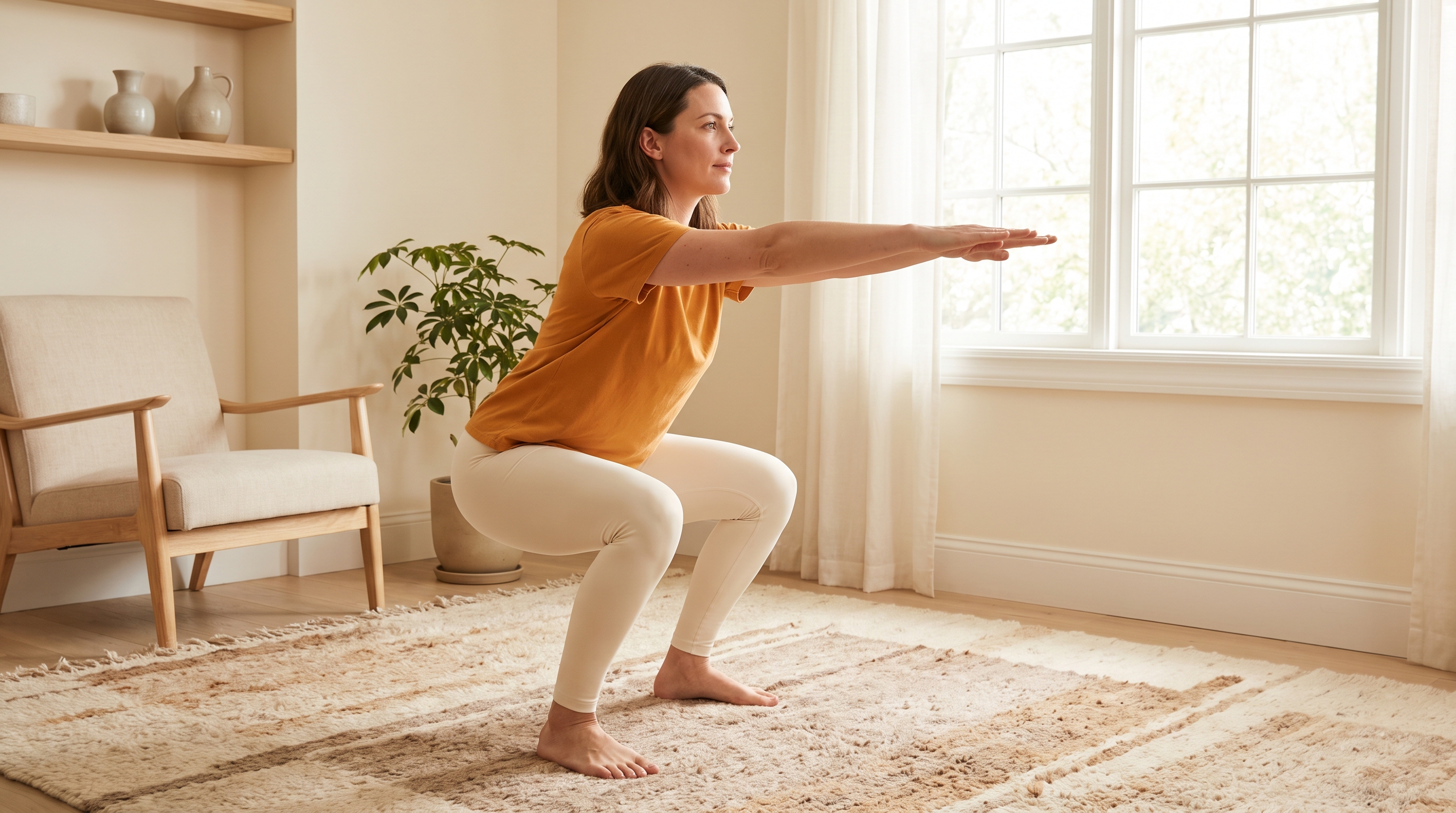
- Pick four to six moves - squats, push-ups, lunges, glute bridges, planks and step-ups cover most of the body.
- Set a time, not a mood - decide on a slot like 7am or straight after work, so it isn't left to willpower.
- Do a short warm-up - two to three minutes of marching on the spot or arm circles gets joints ready.
- Work in rounds - move through your chosen exercises for 30 to 45 seconds each, rest briefly, repeat two or three times.
- Cool down and stretch - a few minutes of slow stretching brings the session to a proper close.
- Write down what you did - even one line a day helps you see the pattern building.
How Many Days a Beginner Home Workout Needs
Beginners don't need daily sessions to see a routine take shape. Three to four sessions a week, with rest days between, gives muscles time to recover and makes the habit easier to keep.
A Simple Weekly Split
Spreading sessions across the week instead of clustering them avoids burnout before the habit even forms.
| Approach | Duration | Best Fits |
|---|---|---|
| Full body, 3x week | 15 to 20 minutes | Busy weeks, early starters |
| Full body, 4x week | 20 to 25 minutes | More available time |
| Split upper/lower | 15 minutes each | Wanting more focus per muscle group |
| Short daily movement | 10 minutes | Very tight schedules |
Fitting a Beginner Home Workout Around Work and Family
Most people don't quit a home workout because the moves are too hard. They quit because the session competes with dinner, kids, or an evening that's already full.
Shrinking the session before you skip it entirely works better than trying to force a full 25 minutes on a day that won't allow it.

Exercise handles one half of the equation and what's on the plate handles the other, which is where a plan built around food you already like matters - Asian Diet pairs tailored meal guidance with a library of over 100 workouts so the movement side and the eating side aren't fighting each other.
A Four-Week Plan for Starting a Home Workout
The order matters more than the exact numbers. Build the habit first, then build the intensity.
| Stage | Focus | Sessions |
|---|---|---|
| Week 1 | Learn the moves, light effort | 3 sessions, 15 minutes |
| Week 2 | Same moves, steadier pace | 3 sessions, 18 minutes |
| Week 3 | Add one extra round per session | 4 sessions, 20 minutes |
| Week 4 | Add one new move or harder variation | 4 sessions, 20 to 25 minutes |
When a Home Workout Habit Actually Starts to Click
Nobody feels transformed after one week, and that's normal, not a sign anything's gone wrong.
What usually shifts first is how the moves feel - squats that felt awkward start to feel controlled, push-ups get a bit steadier.
Strength changes and visible changes both take longer than motivation usually lasts, which is exactly why a fixed schedule matters more than how you feel on any given day.
Mistakes That Stop a Beginner Routine From Sticking
Starting Too Long, Too Often
A 45-minute daily plan sounds committed but collapses fast. Cut the first few weeks to 15 to 20 minutes, 3 times a week, and build from there.
Chasing Soreness As Proof It Worked
Soreness isn't a score. Consistent, moderate sessions beat occasional brutal ones that leave you avoiding the next workout.

Skipping the Warm-Up
Jumping straight into lunges from a cold start makes the first few minutes feel worse than they need to. Two minutes of easy movement first fixes this.
Judging Progress Week to Week
Strength and habit both build slowly and unevenly. Judge the plan over a month, not over Tuesday versus Thursday.
Ignoring Food Entirely
Training burns some energy but what's eaten the rest of the day shapes most of the outcome. Pairing movement with a sensible eating pattern changes the maths far more than extra sets do.
Making a Beginner Home Workout Easier With Asian Diet
A workout plan only gets you halfway, because what's eaten around it decides most of how the week actually goes.
Asian Diet combines a tailored meal plan built from recipes inspired by Asian cuisines with a library of workouts, guided meditations and progress tracking, so the exercise side and the food side sit in the same place instead of being managed separately.
Step counters, water tracking and weight logs sit alongside the workout list, which makes it easier to see the whole week rather than just the gym days.
Power Your Body Daily
Eat Clean Every Day
Keeping Your First Few Weeks of Training Simple
The best beginner home workout is the one that's short enough to actually happen three or four times this week, not the one that looks impressive on paper.
Pick a time, pick five moves, and let Asian Diet handle the food planning in the background while the habit takes shape.
FAQ
Bodyweight moves like squats, push-ups and lunges give enough resistance to build strength when you're starting out. As they get easier, slower reps or added rounds keep the challenge going.
A gym offers more loading options eventually, but a beginner body doesn't need external weight to adapt yet. Home training removes the barrier of getting there, which matters more in the first months than equipment variety.
A two by two metre patch of floor is enough for every move in a basic routine. None of the core exercises need equipment, just enough room to lunge and lie down.
Training creates part of the result but food shapes most of it, so pairing workouts with a sensible eating structure matters. Asian Diet links a tailored meal plan with its workout library so both sides are tracked in the same place.
Share this post